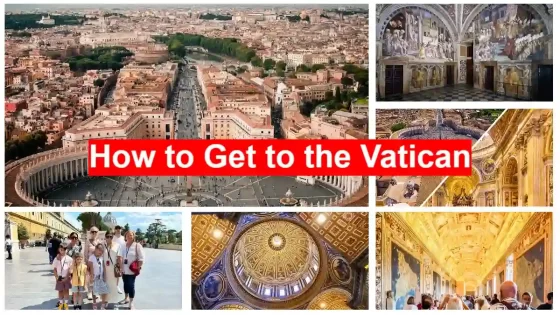
Mastering Vatican photography is honestly one of the most rewarding yet challenging projects I have ever undertaken as a traveler in Italy. I remember the first time I stood in the heart of Vatican City, my camera bag feeling heavy and my eyes darting between the towering columns of St. Peter’s Square and the massive queues forming at the museum entrance. I realized quickly that taking photos Vatican style isn’t just about pointing and clicking; it is a delicate dance between respecting sacred traditions and capturing the ethereal light that filters through centuries-old marble. Whether you are aiming for that perfect Vatican photo guide aesthetic for your portfolio or just want to document your pilgrimage to the Holy See, understanding the local nuances is vital. This journey through the smallest country in the world offers a masterclass in Vatican travel photography, where every corner holds a story and every fresco demands a specific aperture. From the early morning glow hitting the cobblestones to the intricate details of the Vatican Museums, I have spent years refining my approach to Vatican shooting tips to help you navigate the crowds and the strict regulations. Let’s dive into how you can capture the soul of this historic enclave while staying within the Vatican camera policy and honoring the spiritual atmosphere of Rome.
Vatican Photography Rules Explained (What You Need to Know First)
Before you even pack your lens cloth, we need to have a serious chat about Vatican photography rules. I’ve seen many enthusiastic photographers get their day off to a rough start simply because they didn’t realize how strictly the Vatican camera rules are enforced by the Gendarmerie and the museum staff. Trust me, nothing kills the creative vibe faster than being tapped on the shoulder by a guard because you pulled out a piece of equipment that isn’t allowed. When I first started exploring Vatican photography, I made it my mission to learn the boundaries so I could focus on the art rather than the anxiety of breaking a rule. The Vatican photo tips you find online often graze the surface, but the reality on the ground is that these rules are in place to protect the priceless art and the dignity of the religious services. You are entering a living museum and a place of deep worship, so your Vatican photography tips should always start with a foundation of respect and legal compliance.
Can You Take Photos in Vatican Museums
One of the most frequent questions I get from fellow travelers is, can you take photos Vatican Museums? The short answer is yes, but with some very specific “buts.” Generally speaking, the Vatican museum photos you see all over the internet are perfectly legal to take in the main galleries, such as the Gallery of the Maps or the Raphael Rooms. However, the use of flash is strictly, absolutely prohibited. I’ve watched guards jump into action the moment a flash goes off, and it’s not just about being annoying; that intense light can actually degrade the pigments of the ancient tapestries and frescoes over time. When I’m navigating the Vatican Museums, I always double-check my camera settings to ensure my flash is forced off. You also have to be mindful of your Vatican indoor photography technique here; the crowds move in a specific flow, and stopping dead in your tracks to frame a shot can cause a human pile-up. My best Vatican shooting tips for the museums involve being quick, being discrete, and using a fast lens that handles low light gracefully without needing that forbidden flash.
Is Photography Allowed Inside the Sistine Chapel
This is the big one, and I cannot stress this enough: is photography allowed Sistine Chapel? No. Never. Not even a quick “sneaky” phone shot. The Sistine Chapel photography ban is legendary and strictly enforced by the guards who frequently call out “No photo! No video!” to the crowds. I’ve seen people try to hide their phones in their shirts or use “silent” shutters, but the guards are incredibly observant. If you’re caught, you might be asked to delete the photo, or in extreme cases, you could be asked to leave. There is a deep historical reason for this, involving past restoration funding and the preservation of the sacred atmosphere, but regardless of the “why,” the “how” is simple: keep your camera in your bag. This is one of those Vatican photo locations where you have to rely on your eyes and your memory. It’s actually a bit of a relief, honestly; it’s the one place in Vatican City where you are forced to just be present and soak in Michelangelo’s masterpiece without the distraction of a viewfinder.
Photography Rules at St. Peter’s Basilica
When you transition from the museums to the church, the photography rules St Peter’s Basilica change slightly. Unlike the chapel, you are allowed to take photos inside the Basilica, provided you aren’t using a flash and you aren’t disrupting a mass. I remember standing under the massive dome for the first time, feeling completely dwarfed by the scale of it all. For your Vatican best angles, the Basilica is a goldmine, but you must remember it is a functioning church. If a service is happening at the Altar of the Chair or in one of the side chapels, please put the lens cap on or move to a different area. The Vatican photo etiquette here is paramount. You can capture the incredible “sunbeams” that often pierce through the windows if you time it right, but always do so with a sense of reverence. This is where your Vatican composition tips really come into play, as you try to capture the vastness of the space without interfering with the pilgrims who have traveled from all over Italy and the world to pray.
Are Tripods and Professional Cameras Allowed in Vatican
If you are a pro or a serious hobbyist, you might be wondering, are tripods allowed Vatican? The answer is a resounding no for the general public. Carrying a tripod into the Vatican Museums or the Basilica is a quick way to get stopped at the security scanners. They are seen as a trip hazard and a disruption to the flow of traffic. The same often applies to large “professional-looking” video rigs or overly bulky gear. While you can certainly bring a high-end DSLR or mirrorless camera, anything that requires a stand or looks like a full-scale commercial production will require special permits that are nearly impossible for a standard tourist to get. When I plan my Vatican photo gear, I always opt for a “stealthy” but high-quality setup. Think lightweight, handheld, and minimal. The Vatican camera policy is designed to keep people moving, so being mobile is your greatest asset. If you need stability for those low-light Vatican travel photos, I recommend practicing your handheld “breath-holding” technique or finding a sturdy pillar to lean against—just don’t lean too hard on any 500-year-old marble!
Where Photography Is Not Allowed in the Vatican
While we often focus on what we can capture, knowing where photography is not allowed in the Vatican is arguably more important for a smooth visit to Italy. It’s easy to get swept up in the grandeur of Vatican City and forget that certain corners are strictly off-limits to lenses. During my first few trips, I found that the “no-photo” zones aren’t just arbitrary; they are usually tied to deep-seated history, legal contracts, or the preservation of a sacred atmosphere. Being aware of these dead zones helps you plan your Vatican photography route better—you’ll know exactly when to put the camera away and just soak in the moment with your own two eyes. In 2026, the enforcement has only become more sophisticated, so “accidentally” taking a photo is becoming harder to justify.
Why Photography Is Banned in the Sistine Chapel
The question of why photography is banned in the Sistine Chapel is one of the most debated topics among travelers visiting Rome. Many people assume it’s purely to protect Michelangelo’s frescoes from the cumulative damage of camera flashes. While that is a valid modern concern, the historical reason is actually quite a fascinating piece of trivia. Back in the 1980s, the Vatican needed significant funding for a massive restoration of the chapel. A Japanese corporation, Nippon Television Network, stepped in with the millions required but requested exclusive photographic and video rights in return. Although that exclusivity deal expired years ago, the Vatican decided to keep the ban in place to maintain the chapel’s status as a place of quiet prayer and to prevent the logistical nightmare of thousands of people stopping to take selfies. Understanding this helps you appreciate the silence (or the attempts at it) when you finally stand under that iconic ceiling.
Areas of Vatican Museums Where Cameras Are Restricted
Beyond the obvious ban in the Sistine Chapel, there are other areas of Vatican Museums where cameras are restricted or completely forbidden. For instance, temporary exhibitions often have their own specific Vatican camera policy depending on the lenders of the artwork. I’ve also noticed that in certain immersive or highly sensitive galleries, such as the Octagonal Halls during specific events, the staff may ask you to bag your camera. Additionally, while taking photos Vatican style is generally okay in the hallways, you are strictly prohibited from filming or photographing any of the security checkpoints, the Swiss Guard posts, or the private residential entrances of the Holy See. It’s always best to look for the small “no-camera” icons at the entrance of each new room. If you’re unsure, a quick, polite nod to the room attendant while pointing to your camera usually gets you a clear “yes” or “no.”
What Happens If You Break Vatican Photography Rules
You might wonder, what happens if you break Vatican photography rules? Is it just a slap on the wrist? In my experience watching others, it can be a bit more intense than that. If you are caught snapping a photo in the Sistine Chapel, the guards are authorized—and very likely—to approach you immediately. They often ask to see your phone or camera gallery and will insist that you delete the prohibited images right then and there. In 2026, with security being a high priority, being defiant about Vatican photography rules can actually lead to you being escorted out of the museums entirely without a refund. It’s also worth noting that if you are seen using a “hidden” camera or a selfie stick (which is also banned), the equipment might be confiscated until you leave. Keeping things respectful and following the Vatican photo etiquette ensures you don’t end your trip on a sour note with the local authorities.
Best Photography Spots in the Vatican (Must Capture Locations)
Scouting for the best photography spots in the Vatican is like going on a high-stakes treasure hunt where the map is written in Renaissance architecture and Baroque gold. After spending countless hours exploring Vatican City, I’ve realized that the “must capture” locations aren’t just about the famous landmarks—they are about finding the specific vantage points that tell a story of scale, divinity, and history. In 2026, the city feels more vibrant than ever, and while the classics remain, there are nuances to how you frame them that can set your work apart. When you’re taking photos Vatican style, you have to think like a set designer. You aren’t just looking for a subject; you’re looking for how the light interacts with the columns and how the geometry of the space guides the viewer’s eye.
Best Photo Spots Inside Vatican Museums for First Time Visitors
If it’s your first time, the best photo spots inside Vatican Museums for first time visitors often center around the architectural transitions. My absolute favorite is the Bramante Staircase (the modern double-helix designed by Giuseppe Momo). To get that iconic downward spiral shot, you’ll want to head to the very end of your museum journey. Lean over the railing slightly—carefully, of course—and look for the symmetry. For a true Vatican photo guide moment, the Gallery of the Maps is another heavy hitter. The ceiling here is a gold-leafed masterpiece that seems to go on forever. I find that standing right in the center of the hallway and shooting straight down the “barrel” of the gallery creates a sense of infinite grandeur. Don’t forget the Pinecone Courtyard (Cortile della Pigna); the contrast between the ancient bronze pinecone and the modern “Sphere Within Sphere” sculpture by Arnaldo Pomodoro provides a fantastic juxtaposition for your Vatican travel photography.
Best Angles in St Peter’s Basilica for Stunning Photos
Finding the best angles in St Peter’s Basilica for stunning photos requires a bit of patience and a lot of looking up. Most people stop right at the entrance to photograph the nave, but I suggest walking about halfway down. Look back toward the entrance to capture the light flooding in through the main doors, or move toward Michelangelo’s Pietà. The Pietà is now behind bulletproof glass, which can be tricky for Vatican indoor photography due to reflections. My tip? Get close to the glass and use your body or a lens hood to block out the overhead lights. Another “pro” angle is from the base of Bernini’s Baldacchino. If you look straight up into the dome from directly underneath, the perspective is dizzying and divine. These Vatican best angles allow you to showcase the sheer verticality of the world’s largest church.
Top Photography Spots in St Peter’s Square
For the top photography spots in St Peter’s Square, timing and position are everything. Most travelers take a standard wide shot from the center of the piazza, but I prefer the “colonnade perspective.” If you stand between the rows of Bernini’s 284 columns, you can create a repetitive, rhythmic frame that leads the eye toward the Egyptian obelisk or the Basilica’s façade. This is a classic move for high-end Vatican travel photos. Another great spot is right by the fountains; the movement of the water adds a dynamic element to your static architectural shots. In 2026, the square remains a hub for Vatican Instagram spots, so don’t be afraid to experiment with low-angle shots that make the obelisk look like it’s piercing the sky.
Hidden Photography Spots Most Tourists Miss
Now, if you want the hidden photography spots most tourists miss, you have to be willing to look where others don’t. While everyone is rushing to the Sistine Chapel, I often find a quiet moment in the Cortile del Belvedere. There are corners here where the light hits the ancient statues in a way that feels almost cinematic. Another “secret” is the view from the exit of the Vatican Museums; as you leave, there is a balcony that offers a unique, elevated view of the Vatican Gardens that many people walk right past in their rush to get to the gift shop. Also, look for the small windows in the corridors of the Raphael Rooms—some of them offer framed glimpses of the Rome skyline and the dome of St. Peter’s that feel incredibly intimate. These hidden photography locations Vatican are where you’ll find the soul of the city away from the main thoroughfares.
Best Time for Photography in the Vatican (Lighting and Crowds)
If there is one thing my years of exploring Italy have taught me, it’s that the best time for photography in the Vatican isn’t just a suggestion—it’s the difference between a masterpiece and a snapshot of someone’s back. In 2026, with travel seeing a massive resurgence, the window of opportunity for clean, well-lit Vatican travel photos has narrowed, making your timing more critical than ever. Whether you are chasing the soft glow of a Rome sunrise or trying to beat the mid-morning rush at the museum gates, understanding the rhythm of the city is the first step in any successful Vatican photo guide.
Best Time of Day for Photography at Vatican Without Crowds
When people ask me for the best time of day for photography at Vatican without crowds, I always tell them to set their alarm for “painfully early.” For St. Peter’s Square, you want to be there as the sun starts to peek over the horizon, usually around 6:30 AM or 7:00 AM. At this hour, the square is practically empty, save for a few joggers and the Swiss Guard. This is the prime time for taking photos Vatican style without a sea of selfie sticks in your frame. For the museums, the game has changed in 2026. The official opening is 8:00 AM, but I highly recommend looking into “Prime Experience” or “Early Access” tickets that let you in as early as 7:30 AM. Those extra thirty minutes are gold for Vatican travel photography, allowing you to reach the Gallery of the Maps before the main surge of tourists arrives.
Morning vs Afternoon Lighting Conditions Comparison
Doing a morning vs afternoon lighting conditions comparison is essential for planning your shots. In the morning, the light hits the façade of St. Peter’s Basilica directly, creating a bright, triumphant look that is perfect for architectural details. However, the shadows in the Vatican Museums can be a bit harsh if you are near windows. By the afternoon, the sun moves behind the Basilica, which can create tricky backlighting if you are shooting from the square, but it’s actually the best time for Vatican indoor photography. As the sun lowers, the light filtering through the high museum windows becomes softer and warmer, illuminating the marble statues with a gentle, directional glow that adds incredible depth. My Vatican photo tips usually lean toward morning for the exterior and late afternoon—around 3:00 PM or 4:00 PM—for the interior galleries.
Golden Hour Photography Near St Peter’s Square
There is nothing quite like golden hour photography near St Peter’s Square. As the sun sets over Rome, the white travertine stone of the colonnades begins to glow with a soft, honey-colored hue. This is the peak moment for Vatican Instagram spots. To get the best results, position yourself near the obelisk and face toward the Basilica as the sun dips. The sky often turns a brilliant shade of orange or pink, providing a stunning backdrop for the silhouette of the dome. In 2026, the square stays open late, so you can transition from the golden hour into the “blue hour,” when the fountains and the façade are illuminated by artificial lights. This transition is a favorite for Vatican travel photography, offering two completely different moods within a single hour.
How to Take Great Photos in Crowded Vatican Spaces
Let’s be honest: taking photos Vatican style usually means navigating a sea of humanity. In 2026, the crowds have only intensified, and if you wait for a room to empty out, you’ll likely be waiting until the Swiss Guard locks the doors. I’ve spent many mornings in Italy trying to find that perfect, people-free shot, only to realize that the secret isn’t waiting for the crowd to disappear—it’s learning how to work with it. Mastering Vatican travel photography in high-traffic areas is a skill that combines patience with a bit of “optical illusion” magic. When you are following your Vatican photography route, you need a toolkit of techniques to keep the focus on the Renaissance splendor rather than the tourist in the bright neon t-shirt standing in your foreground.
How to Avoid Crowds in Your Vatican Photos
If you want to know how to avoid crowds in your Vatican photos, the first rule is to use the architecture as a shield. I often find that the “main flow” of the Vatican Museums moves like a river down the center of the galleries. By sticking to the edges and shooting across the room at an upward angle, you can often cut out the heads of the crowd entirely. Another effective Vatican photo tips strategy is the “wait and burst” method. Even in the busiest halls, there are often micro-seconds of transition where one tour group leaves and the next hasn’t quite arrived. I keep my camera ready, settings dialed in, and the moment that gap opens, I take a quick burst of shots. For those specifically looking for a Vatican photo guide on the St. Peter’s Square area, heading to the far ends of the colonnades—away from the central obelisk—is your best bet for finding a quiet corner.
Best Camera Angles to Hide Crowds
Finding the best angles hide crowds Vatican style requires you to think vertically. One of my favorite tricks is the “high-angle perspective.” If there is a staircase or an elevated balcony available (like the ones overlooking the Pinecone Courtyard), use it. Shooting from a higher vantage point allows you to look over the crowd and focus on the patterns of the floor or the distant horizon of Rome. Conversely, a very low angle can also work wonders. By placing your camera near the base of a pillar and shooting straight up, you can use the massive scale of the Vatican architecture to swallow the people in the frame, making them look like tiny, insignificant dots against the grandeur of the stone. This is a staple move for Vatican travel photos that feel epic and isolated.
Using Perspective and Framing Techniques in Busy Areas
I’ve found that using perspective and framing techniques in busy areas is the most artistic way to handle the chaos. Use the physical “frames” provided by the Vatican itself—archways, doorways, and even the gaps between statues—to crop out the distractions. If you frame your shot so that a doorway obscures the crowded hallway beyond, you can create a sense of intimacy and mystery. In the Gallery of the Maps, I often use “leading lines” by focusing on the ceiling or the very top edge of the maps; the lines naturally draw the eye away from the floor-level foot traffic. For your Vatican Instagram spots, try using a shallow depth of field (a low f-stop). By focusing sharply on a single detail—like a door handle or a carved relief—and letting the crowded background blur into a soft bokeh, you turn a logistical problem into an aesthetic choice. This is Vatican shooting tips 101: if you can’t hide the crowd, make them part of the atmosphere.
Photography Tips for Vatican Museums (Indoor Shooting Guide)
Stepping into the Vatican Museums with a camera is an exercise in technical agility. While you are surrounded by some of the world’s most significant masterpieces, you are also battling inconsistent artificial lighting, dark corridors, and the strict Vatican camera policy that forbids flash. My early attempts at Vatican museum photos were often a blurry mess of high-grain shadows until I realized that successful Vatican indoor photography requires a specific manual approach. You have to treat the galleries like a studio where you have no control over the lights, making your camera settings your only line of defense. In 2026, digital sensors have become remarkably good at handling these conditions, but the fundamental principles of taking photos Vatican style remain the same: stability, sensitivity, and speed.
Best Settings for Low Light Photography in Museums
When I’m dialing in my best settings for low light photography in museums, I always start with my ISO. For the dimly lit galleries of Vatican City, I typically push my ISO between 800 and 1600. While this can introduce a bit of noise, modern cameras handle it beautifully, and a grainy photo is always better than a blurry one. For your Vatican photo tips, I suggest using Aperture Priority mode (A or Av) and setting your aperture as wide as your lens allows—ideally f/1.8 or f/2.8. This lets in the maximum amount of light. If you are using a zoom lens that only goes to f/4, you may need to push that ISO even higher to 3200. I also recommend setting your white balance to “Tungsten” or “Fluorescent” to counteract the warm yellow glow of the museum lights, ensuring the marble in your Vatican travel photos looks naturally white rather than aged yellow.
How to Shoot Artwork Without Flash
The challenge of how to shoot artwork without flash is one of the most common hurdles in Italy. Flash is strictly banned to protect the delicate frescoes and tapestries, so you must rely entirely on ambient light. To get a crisp shot of a painting or sculpture, I use the “lean and lock” technique. Since you can’t use a tripod, find a doorframe or a marble pillar to lean your shoulder against; this extra point of stability allows you to drop your shutter speed slightly without causing camera shake. When taking photos Vatican artworks, try to stand directly in front of the piece to avoid perspective distortion, but keep an eye out for reflections on the protective glass. If there’s a glare, I move slightly to the side or use a lens hood pressed almost—but not quite—against the glass to block out surrounding light. These Vatican shooting tips are essential for capturing the fine details of a Raphael or a Caravaggio.
Avoiding Blur and Noise in Indoor Vatican Photos
Avoiding blur and noise in indoor Vatican photos is a delicate balancing act. To keep blur at bay, I follow the reciprocal rule: my shutter speed should never be slower than 1 divided by my focal length (e.g., at 50mm, I shoot at 1/50s or faster). If your camera has In-Body Image Stabilization (IBIS), you can get away with much slower speeds, which is a lifesaver for Vatican travel photography. To manage noise, I always shoot in RAW format. This is one of the most important Vatican photography tips I can give; RAW files retain much more data in the shadows, allowing you to clean up “grain” in post-processing without losing the texture of the art. If a room is particularly dark, don’t be afraid of the noise—sometimes a slightly “gritty” black and white edit can add a timeless, archival feel to your Vatican photo guide entries, making the history of Rome feel even more palpable.
Photography Tips for St Peter’s Basilica
Capturing the interior of St. Peter’s Basilica is, for many, the pinnacle of a Vatican photography trip. The sheer volume of the space is almost impossible to comprehend until you are standing on the marble floor, looking up at letters that appear small but are actually taller than a human being. In 2026, the Basilica remains one of the few places in Vatican City where you have relative freedom to photograph, provided you follow the golden rule of Vatican travel photography: no flash and no disruption of worship. Every time I walk through those massive bronze doors, I’m struck by how the light changes depending on the time of year and the hour of the day. To truly succeed here, you need to balance technical precision with a deep respect for the spiritual nature of the environment.
How to Capture the Dome Interior Properly
Learning how to capture the dome interior properly is a challenge of both perspective and exposure. Michelangelo’s dome is a masterpiece of symmetry, but because it is so high, shooting from the ground level can lead to significant distortion. My best Vatican photo tips for the dome involve taking the elevator (or climbing the 551 steps) to the interior gallery of the dome itself. From this elevated walkway, you are much closer to the mosaics, and you can shoot across the expanse to capture the incredible detail of the celestial figures. For your Vatican indoor photography settings, be prepared for high contrast. The light flooding in from the lantern at the very top can easily blow out your highlights while leaving the rest of the dome in deep shadow. I recommend underexposing slightly to protect those bright details; you can always bring the shadows back in post-processing when creating your Vatican travel photos.
Best Composition Techniques Inside Basilica
The best composition techniques inside Basilica revolve around using the building’s massive scale to your advantage. I love using “leading lines,” which are abundant here—the long nave, the patterns in the marble floor, and the rows of statues all lead the eye naturally toward Bernini’s Baldacchino. For a unique Vatican photo guide shot, try to include a person in the frame (perhaps a pilgrim or a priest) to provide a sense of scale. Without a human element, it’s hard for the viewer to realize that those “little” angels on the columns are actually enormous. Another great Vatican composition tips strategy is to look for symmetry. Standing exactly in the center of the nave and shooting toward the apse creates a powerful, balanced image that highlights the architectural genius of Rome.
Managing Lighting Challenges Inside Large Churches
Managing lighting challenges inside large churches like St. Peter’s requires a bit of patience and a steady hand. The lighting is a mix of natural sunbeams and warm, artificial spotlights, which can wreak havoc on your auto-white balance. I usually set mine manually to around 3200K to 4000K to keep the stone looking natural. Since you are taking photos Vatican style without a tripod, you’ll need to master the “human tripod” stance: feet shoulder-width apart, elbows tucked into your ribs, and exhaling slowly as you press the shutter. If you see a beam of light hitting the dust in the air—a classic Vatican photography moment—position yourself so the light is hitting your subject from the side. This creates a dramatic, “Caravaggio-style” effect that is perfect for Vatican Instagram spots. Remember, in 2026, the Basilica’s lighting has been subtly modernized, making it easier than ever to capture the “divine” glow without needing heavy gear.
Smartphone Photography Tips for the Vatican
While many travelers carry heavy DSLRs, modern smartphone photography has reached a level where your pocket device is often the best tool for the job. In 2026, mobile sensors and computational photography have made it possible to capture professional-grade Vatican travel photos without the bulk of traditional gear. During my recent walks through Italy, I’ve noticed more people relying on their phones to document their journey, and for good reason—phones are discrete, fast, and remarkably capable in the tricky lighting of Vatican City. If you want to know how to take professional looking photos with your phone, you need to look beyond the “auto” mode and treat your smartphone like the sophisticated camera it actually is.
How to Take Professional Looking Photos with Your Phone
The secret to how to take professional looking photos with your phone in a place as grand as the Vatican starts with your lens choice. Most high-end phones now feature a dedicated ultra-wide lens, which is your best friend when standing in the middle of St. Peter’s Square or looking down the long corridors of the Vatican Museums. This lens captures the immense scale that a standard lens might miss. For a true Vatican photo guide quality, I always recommend tapping the screen to lock focus and then sliding your finger down to manually lower the exposure. The Vatican architecture is filled with bright highlights from windows and marble; underexposing slightly prevents those areas from “blowing out” and losing detail. Another vital Vatican photo tips move is to turn on the “Grid” feature in your settings. This helps you keep your horizons straight and follow the “rule of thirds,” ensuring your Vatican travel photography looks balanced and intentional rather than like a casual snapshot.
Best Camera Apps for Vatican Photography
While your native camera app is great, using the best camera apps for Vatican photography can give you that extra edge, especially for Vatican indoor photography. In 2026, apps like ProCamera or Adobe Lightroom Mobile are game-changers because they allow you to shoot in RAW format. Shooting RAW preserves much more data than a standard JPEG, which is essential when you are trying to edit a photo taken in the dim light of the museum galleries. I also highly recommend The Photographer’s Ephemeris (TPE) or PhotoPills for your Vatican photography route planning. These apps show you exactly where the sun will be at any time of day, helping you predict those stunning sunbeams inside the Basilica or the perfect golden hour light in the square. These are the Vatican shooting tips that elevate your mobile work from amateur to professional.
Editing Tips for Vatican Photos on Mobile
Once you’ve captured your shots, your editing tips for Vatican photos on mobile will bring the history of Rome to life. I start my workflow in Snapseed or Lightroom Mobile. The first thing I do is look at the “Perspective” or “Geometry” tool. Because we often shoot upward at the tall Vatican walls, the buildings can look like they are “falling backward.” Correcting this vertical distortion instantly makes your Vatican travel photos look more like professional architectural photography. For Vatican Instagram spots, I like to use the “Selective” tool to subtly brighten the dark shadows of a fresco without affecting the rest of the image. In 2026, AI-powered tools like “Generative Remove” are also incredibly helpful; they allow you to tap on a stray tourist or a trash can and have it disappear seamlessly. Just remember: the best Vatican photo tips suggest a light touch. You want to enhance the natural beauty of the stone and the art, not make it look like a digital painting.
Best Camera Gear for Visiting the Vatican
Selecting the best camera gear for visiting the Vatican is a balancing act between carrying enough power to handle low-light masterpieces and staying within the strict Vatican camera policy. In 2026, security protocols have become even more streamlined, but the rules regarding equipment remain firm. I’ve learned the hard way that walking into the Vatican Museums with a bag full of lenses and accessories is a recipe for a long stint at the cloakroom rather than a day of taking photos Vatican style. The goal for any Vatican travel photography enthusiast should be a “minimalist professional” approach—gear that delivers high-end results without attracting the unwanted attention of the Gendarmerie.
What Camera Equipment to Bring to Vatican
If you are wondering what camera equipment to bring to Vatican, my top recommendation is a full-frame mirrorless camera. These bodies are compact enough to not look like “industrial” gear while offering the high ISO performance needed for Vatican indoor photography. For your Vatican travel photos, I swear by a two-lens strategy. First, an ultra-wide zoom (something in the 14-24mm range) is essential for capturing the immense scale of St. Peter’s Basilica and the sprawling ceiling of the Gallery of the Maps. Second, a “nifty fifty” (50mm prime lens) with a wide aperture like f/1.8 is perfect for capturing the intricate details of statues or mosaics in the dim museum hallways. This setup is the gold standard for a Vatican photo guide, giving you versatility without the bulk.
Lightweight Gear Recommendations for Travelers
For those who prefer lightweight gear recommendations for travelers, look no further than high-end compact cameras or modern flagship smartphones. In 2026, the gap between a pro DSLR and a premium smartphone is narrower than ever for the average traveler. Devices like the iPhone Pro or Samsung Galaxy Ultra are practically built for Vatican photography, featuring advanced night modes that can “see” in the dark galleries better than the human eye. If you want a dedicated camera that fits in a jacket pocket, a 1-inch sensor compact (like the Sony RX100 series) is a brilliant choice for taking photos Vatican. It’s discrete, nearly silent, and won’t tire you out as you cover the several miles of corridors within the Vatican Museums.
What Gear Is Not Allowed in Vatican
Knowing what gear is not allowed in Vatican is the most critical part of your preparation. To be perfectly clear: tripods and monopods are strictly prohibited throughout Vatican City. Even a small “tabletop” tripod will likely be flagged at the security scanners and sent to the cloakroom. Selfie sticks are also banned inside the museums and the Basilica. In 2026, this ban has been extended to include large gimbal stabilizers, which can be seen as an obstruction in crowded areas. Additionally, while you can bring a standard camera bag, any “extra-large” backpacks or professional lighting rigs (like softboxes or large external flashes) will be stopped. Stick to a small shoulder bag or a medium daypack to ensure you pass through security without a hitch, keeping your Vatican shooting tips focused on handheld stability rather than external support.
Photography Etiquette in the Vatican (Respectful Shooting)
Navigating Vatican photography is as much about social grace as it is about shutter speed. During my years traveling through Italy, I’ve learned that the most stunning Vatican travel photos are often those taken with a sense of quiet observation rather than aggressive pursuit. In 2026, the Holy See remains one of the most spiritually significant sites on Earth, and maintaining a respectful presence is the key to a successful visit. Whether you are in the middle of a crowded museum or the hushed interior of a chapel, your Vatican photo etiquette defines your experience and the experience of those around you.
How to Take Photos Respectfully in Religious Spaces
Understanding how to take photos respectfully in religious spaces starts with recognizing where you are. When you enter St. Peter’s Basilica, you aren’t just entering a museum; you are entering a place of active worship. My first Vatican photo tips for the Basilica is to keep your movements slow and your noise level to a minimum. If you see someone in prayer, avoid pointing your lens directly at them. For a true Vatican photo guide approach, focus on the architecture and the art, using the people in the frame only as a way to show scale from a distance. Always ensure your camera’s “beeps” and artificial shutter sounds are turned off. In 2026, digital cameras are silent, and utilizing that silent shutter is the ultimate mark of a respectful traveler in Vatican City.
When Not to Take Photos in Vatican
Knowing when not to take photos in Vatican is arguably more important than knowing how to take them. Aside from the permanent ban in the Sistine Chapel, you should immediately put your camera away if you encounter a religious procession or if a Mass is currently being celebrated at one of the altars. I’ve seen tourists try to snap “candid” shots of priests during the Eucharist, and it is universally considered a major breach of Vatican photo etiquette. Additionally, photography is strictly forbidden in the Vatican Necropolis (the Scavi) and near the private administrative offices of the Holy See. If you see a sign with a camera crossed out or if a guard makes a “no” gesture, respect it immediately. These moments of restraint are part of being a responsible participant in Vatican travel photography.
Respecting Other Visitors While Taking Photos
Respecting other visitors while taking photos is the only way to keep the flow of the Vatican Museums moving smoothly. We’ve all been there—trying to get that perfect, symmetrical shot of the Gallery of the Maps—but in 2026, the sheer volume of visitors means you cannot “own” a space for more than a few seconds. My personal rule for taking photos Vatican is the “five-second rule”: frame your shot, take it, and move on. Never block a doorway or a narrow passage to check your screen. If you see someone else waiting for a shot, give them space. By practicing good Vatican photography tips, you ensure that everyone gets to enjoy the beauty of Rome without the frustration of a human bottleneck. Remember, a smile and a “Scusa” go a long way when you’re navigating the dense crowds of Vatican City.
Instagram Worthy Vatican Photo Ideas
Creating a social media feed that stands out requires more than just standard tourist shots; it’s about capturing the “vibe” of Italy through a lens of creativity and style. In 2026, Vatican travel photography has evolved into a sophisticated blend of architectural grandiosity and intimate, lifestyle-focused moments. When you are scouting for Instagram worthy Vatican photo ideas, you aren’t just looking for the biggest building; you’re looking for the way the light hits the ancient stone or how a pop of color—like the vibrant uniform of a Swiss Guard—contrasts with the muted tones of the marble. Whether you are building a professional travel portfolio or just want to share your journey through Vatican City with friends, these concepts will help you create high-impact, engaging content.
Best Instagram Spots in Vatican City
The list of the best Instagram spots in Vatican City always begins with the iconic St. Peter’s Square. For a shot that truly pops, I suggest heading to the “center point” of the colonnades. There is a specific marble disc in the paving where, if you stand on it, the rows of columns align perfectly, creating a mind-bending optical illusion of a single row. This is a favorite for Vatican travel photos that highlight geometric perfection. Another heavy hitter for Vatican Instagram spots is the view from the top of the Dome. The “keyhole” perspective of the square below, with the long via della Conciliazione stretching out into Rome, is one of the most recognizable and liked shots you can possibly take. Finally, don’t miss the spiral staircase at the exit of the Vatican Museums; its elegant curves are practically designed for a high-angle fashion shot or a dramatic architectural study.
Creative Photo Ideas for Vatican Travel Content
To elevate your feed, you need creative photo ideas for Vatican travel content that go beyond the obvious. Instead of just photographing the Basilica, try a “framed” shot through one of the arches of the colonnade, using the dark stone to create a natural vignette. In 2026, “storytelling” shots are huge. I love capturing a close-up of a weathered hand touching a bronze statue or a “motion blur” shot of the crowds moving through the Gallery of the Maps while the ceiling remains perfectly sharp. These Vatican photo ideas add a sense of movement and humanity to your gallery. For something truly unique, look for the reflections in the fountains of St. Peter’s Square. Capturing the Basilica’s reflection in the moving water can result in an abstract, painterly image that stands out from the thousands of static shots of the façade.
Unique Photo Angles for Social Media
Finding unique photo angles for social media means getting your camera—or your phone—somewhere unexpected. One of my favorite Vatican shooting tips is the “pavement perspective.” By placing your camera almost on the ground in St. Peter’s Square, you can make the cobblestones the foreground and the Basilica look even more towering and majestic. This angle also helps hide the lower-level crowds. Another great move is the “side-eye” shot in the Vatican Museums. Instead of shooting a statue head-on, shoot from the side to capture the depth of the marble and the way the shadows fall across the features. For your Vatican photo guide on mobile, use the 3x or 5x zoom to compress the distance between the columns in the square, making the architecture look incredibly dense and powerful. These Vatican creative shots are what will make your followers stop scrolling and take a second look.
Hidden Photography Spots in the Vatican
Finding the hidden photography spots in the Vatican is where your portfolio truly begins to diverge from the standard tourist reel. After several trips to Italy, I’ve realized that the most evocative Vatican travel photos often come from the places people rush past on their way to the “big” sights. In 2026, with the city center as busy as ever, these quiet corners are not just photographic opportunities—they are your sanctuary. When you are following your Vatican photography route, taking the time to seek out these hidden photography locations Vatican allows you to capture the stillness and history of the Holy See that others miss in the chaos.
Lesser Known Photo Locations Inside Vatican Museums
If you want the lesser known photo locations inside Vatican Museums, you need to deviate from the central path. While the masses are flowing toward the Sistine Chapel, I often spend extra time in the Pinacoteca (Vatican Art Gallery). Specifically, the room containing Raphael’s “Transfiguration” has a unique lighting setup that, if you catch it at the right angle, creates a dramatic silhouette effect against the dark walls. Another incredible Vatican photo guide secret is the Gregorian Chapel. It’s an intimate, often overlooked space within the museum complex that features stunning Bernini sculptures. Because it’s smaller and quieter, it’s one of the best Vatican photo spots for practicing your Vatican indoor photography without feeling rushed by a tour group behind you. Also, look for the “spiral” staircase in the Pinacoteca di Brera area—it’s a geometric dream that provides a perfect alternative to the more famous Momo staircase at the exit.
Quiet Corners for Clean Photos Without Crowds
Finding quiet corners for clean photos without crowds in Vatican City requires a bit of tactical timing. I’ve found that the Cortile del Belvedere (Belvedere Courtyard) often has pockets of peace if you visit during the “lunch hour” (around 1:00 PM), when many tour groups head to the cafeteria. The ancient statues here, framed by the Renaissance niches, offer a classical look for your Vatican travel photography. Another “pro” tip for taking photos Vatican style is to explore the edges of the Courtyard of the Pigna. While everyone is crowded around the golden “Sphere Within Sphere” sculpture, the shaded arcades along the sides offer beautiful, repetitive archways that are perfect for architectural studies or as a backdrop for a quiet portrait. These are the Vatican shooting tips that help you find the “empty” Vatican you see in professional magazines.
Alternative Angles Most Tourists Miss
The alternative angles most tourists miss are often right under their noses. For example, instead of shooting St. Peter’s Basilica from the front, walk toward the back of the Vatican Museums near the exit. There is a specific balcony where you can look out over the Vatican Gardens. In 2026, the lush greenery against the backdrop of the dome provides a perspective of Vatican City that feels more like a private estate than a tourist hub. For your Vatican Instagram spots, try shooting through the gaps in the stone railings along the Dome climb. These “peep-hole” shots of the Rome skyline or the square below add a layer of mystery and depth to your Vatican travel photos. Finally, if you walk toward Castel Sant’Angelo in the evening, you can capture the “Vatican panorama” from across the bridge, using the Tiber River to reflect the lights of the dome—a view that many miss by staying purely within the walls of the city-state.
How to Plan a Photography Route in the Vatican
Planning your Vatican photography route is like choreographing a dance across a stage that’s thousands of years old. In 2026, the logistics of taking photos Vatican style have become even more of a strategic game due to shifting entry times and crowd management policies. I’ve found that most people wander aimlessly and end up missing the best light or getting stuck in human gridlock. To get those high-end Vatican travel photos, you need a plan that accounts for the sun’s position, the museum’s “flow,” and your own physical stamina. A well-thought-out Vatican photo guide isn’t just a list of spots; it’s a timed sequence that maximizes every shutter press.
Best Route for Photography Through Vatican Museums
The best route for photography through Vatican Museums starts the moment you clear security. In 2026, if you’ve secured an early access ticket (usually for 7:30 AM or 8:00 AM), do not stop in the first few galleries. My secret Vatican photography route move is to head straight for the Gallery of the Maps. This is the most “Instagrammed” hallway in Italy, and having it empty for even five minutes is a photographer’s dream. From there, double back to the Raphael Rooms while the morning light is still soft and cool. Once you’ve captured the “School of Athens,” head to the Pinecone Courtyard for some outdoor Vatican travel photography before the sun gets too high and harsh. Save the modern spiral staircase for the very end of your museum journey, as it leads directly toward the exit and the transition to the Basilica.
How to Maximize Photo Opportunities in Limited Time
If you are on a tight schedule, knowing how to maximize photo opportunities in limited time is vital. Focus on “The Big Three”: the Maps Gallery, the St. Peter’s Square colonnades, and the interior of the Basilica. For taking photos Vatican in under three hours, I recommend skipping the smaller side-galleries and keeping your camera “hot” (turned on and ready) at all times. Use a single versatile zoom lens (like a 24-70mm) to avoid wasting time switching gear. One of my favorite Vatican shooting tips for speed is to use the “burst” mode when walking through corridors; you can sift through the shots later to find the one where no one is blocking the view. In 2026, being decisive is the mark of a pro Vatican photo guide.
Combining Photography with Sightseeing
I’m often asked about combining photography with sightseeing without ruining the trip for your companions. The trick is to “scout” while you listen. If you are on a guided tour, use the time the guide is talking to look for your Vatican best angles and adjust your settings. Don’t look through the viewfinder the whole time; experience the art with your eyes first, then take the photo. In 2026, many Vatican travel photography enthusiasts use a “hybrid” approach: take the “big” shots with a mirrorless camera and use a smartphone for quick, candid Vatican Instagram spots. This allows you to stay present in the moment while still coming home with a folder full of professional-grade Vatican travel photos.
Common Photography Mistakes at the Vatican
Even the most seasoned travelers visiting Italy can fall into traps when it comes to Vatican photography. In 2026, with security and conservation efforts at an all-time high, the margin for error has shrunk. I’ve spent many afternoons in Vatican City observing fellow photographers, and it’s heart-wrenching to see someone’s creative flow interrupted—or their entire day ruined—because of a simple technical oversight or a misunderstanding of the rules. Avoiding these common Vatican photo tips pitfalls will not only save your images but also ensure you maintain a respectful relationship with the local staff.
Biggest Mistakes Tourists Make When Taking Photos
The absolute “number one” of the biggest mistakes tourists make when taking photos is attempting to be “sneaky” in the Sistine Chapel. I cannot repeat this enough: the guards have seen every trick in the book, from phones hidden in sleeves to cameras hanging low around the neck with “silent” shutters. In 2026, the enforcement is immediate. Another massive blunder is ignoring the Vatican photo etiquette regarding religious services. I’ve seen people use a telephoto lens to snap shots of pilgrims in private prayer or during a Mass in St. Peter’s Basilica. Not only is this disrespectful, but it can also lead to you being asked to leave the sacred area. Finally, many travelers forget the dress code; if you aren’t dressed appropriately (shoulders and knees covered), you won’t even get past the security scanners to start your Vatican photography route.
Technical Errors That Ruin Vatican Photos
On the technical side, technical errors that ruin Vatican photos usually involve exposure and stability. The most common is leaving your “Auto Flash” on. In the dim hallways of the Vatican Museums, your camera will naturally want to fire the flash, which is strictly prohibited. This error results in a flat, washed-out image and an immediate reprimand from a guard. Another frequent issue is “vertical convergence.” When you shoot upward at the massive walls of Vatican City, the buildings look like they are leaning backward. To fix this in your Vatican travel photos, I suggest standing as far back as possible or using a wider lens and cropping the bottom later. Lastly, many travelers don’t account for the “mixed lighting” inside the Basilica. If you leave your white balance on “Auto,” your photos might end up with a strange orange or blue tint. Setting it manually is a pro-level Vatican shooting tips move that ensures the marble looks as majestic as it does in person.
Ignoring Rules and Getting Stopped by Staff
Ignoring rules and getting stopped by staff is a quick way to turn a dream trip into a stressful ordeal. In 2026, the staff at the Vatican Museums are authorized to request that you delete prohibited images in their presence. If you are caught with a selfie stick or a tripod, these items will be confiscated and held at the cloakroom, which can take an hour to retrieve at the end of the day. One mistake I often see is photographers trying to use a drone near the Holy See. Flying a drone in Vatican City is not just a rule violation; it’s a serious legal offense that involves both the Vatican Gendarmerie and the Italy national police. Always assume that if you haven’t seen someone else doing it, it’s probably not allowed. Stick to your handheld Vatican travel photography and keep your gear minimal to ensure a seamless, “hassle-free” experience.
Can You Use Drones in the Vatican
If you are a drone enthusiast looking to capture that epic aerial shot of the world’s smallest country, I have some very important news for you: drone rules Vatican City are among the strictest in the world. In 2026, the Holy See is a total, permanent no-fly zone. While I’ve seen many travelers pull out their mini-drones in other parts of Italy, the air above Vatican City is monitored with advanced radar and security technology. Trying to launch a drone here isn’t just a minor rule violation; it is a serious security incident that can lead to immediate legal trouble.
Drone Rules and Restrictions in Vatican City
The official Vatican camera policy is crystal clear: drones of any size—even sub-250g “micro” drones—are strictly prohibited without explicit, written authorization from the Vatican authorities. These authorizations are almost never granted to tourists and are reserved for professional film crews working on official Holy See projects. In 2026, the entire historical center of Rome and Vatican City is blanketed by a “red zone” on the official D-Flight maps. You cannot fly over St. Peter’s Square, the Vatican Museums, or any part of the territory. Even if your drone’s software doesn’t automatically block the takeoff, the physical security presence on the ground will intervene within minutes.
Legal Issues with Drone Photography
The legal issues with drone photography in this area are significant. If you are caught flying a drone near the Vatican, you aren’t just dealing with museum security; you are dealing with the Italian State Police and the Vatican Gendarmerie. Penalties in 2026 for violating these no-fly zones can reach up to €60,000 or even €100,000, along with the permanent confiscation of your equipment. In some cases, it can lead to criminal charges for endangering public safety or violating sensitive airspace. During my travels through Italy, I’ve heard stories of tourists being detained for hours because they thought a “quick shot” with a drone wouldn’t be noticed. It is simply not worth the risk.
Alternatives to Drone Shots in Vatican
Since you can’t go up in the air, you have to find creative alternatives to drone shots in Vatican to get that “top-down” perspective. The best solution is to climb the Dome of St. Peter’s Basilica. From the external gallery at the very top, you have an incredible, 360-degree view of Vatican City and Rome. This is the highest point in the city center and provides a vantage point that is virtually identical to a drone shot. For your Vatican Instagram spots, this is the ultimate “power shot.” Another alternative is to visit the Janiculum Hill (Gianicolo) in Rome at sunset; it offers a panoramic view of the entire Vatican complex from a distance, allowing you to capture the scale of the dome against the skyline without breaking any Vatican photography rules.
Photography Safety Tips at the Vatican
When you are carrying thousands of dollars in gear through the dense crowds of Italy, safety becomes a silent but constant priority. In 2026, Vatican City remains one of the safest places to visit, but the sheer volume of people in the Vatican Museums and St. Peter’s Square creates a prime environment for accidental damage or opportunistic theft. My philosophy for taking photos Vatican style is “vigilance without paranoia.” You want to be aware of your surroundings so you can focus on the art, rather than constantly clutching your bag. These Vatican travel photography safety measures are designed to protect your investment and your peace of mind.
Protecting Your Camera Gear in Crowded Areas
The most important step in protecting your camera gear in crowded areas is how you physically carry your equipment. I always use a cross-body strap rather than a standard neck strap; this keeps the camera tucked against my hip or under my arm, making it much harder for someone to “bump and grab” in a crowded hallway. In 2026, many photographers are also using “stealth” covers—pieces of black gaffer tape over the brand logos (like Sony or Canon)—to make their gear look less like a high-value target. When you are navigating the Vatican Museums, be mindful of the “bottleneck” points like the entrance to the Raphael Rooms. These are the spots where people naturally press against each other, and it’s where your lens is most likely to get knocked. Keep your lens cap on until the second you are ready to shoot, and use a high-quality UV filter as a “sacrificial” layer to protect your glass from scratches.
Avoiding Theft and Damage
While violent crime is extremely rare, avoiding theft and damage in Vatican City mostly involves outsmarting pickpockets who hang around the periphery of the major sights. Never, under any circumstances, hand your camera to a “helpful” stranger offering to take a photo of you. If you want a group shot, ask another traveler who is also carrying a DSLR—they understand the value of the gear. For your Vatican travel photos, I recommend using a camera bag with “rear-access” zippers, meaning the bag only opens from the side that is pressed against your back. This is a vital Vatican photo tips move for the long walks through Rome. Also, be wary of the “distraction” technique: someone might drop something or ask for directions while an accomplice targets your open bag. Stay focused, keep your gear zipped up, and always maintain at least one physical point of contact with your equipment.
Safe Handling of Equipment
Safe handling of equipment during your Vatican photography route is about more than just theft; it’s about preventing mechanical failure. The marble floors of the Basilica and the museums are unforgiving. If you drop a lens here, it’s likely game over. I always use a wrist loop in addition to my main strap for an extra layer of security when I’m leaning over railings or shooting from high angles. In 2026, the Vatican has updated its security scanners, which are now much faster but still require you to place your gear in bins. I always place my camera bag inside a bin with the padding side down to absorb any shocks from the conveyor belt. When you are taking photos Vatican statues, keep a respectful distance; if you accidentally bump into an ancient sculpture with your lens, you aren’t just looking at a broken camera—you’re looking at a potential legal issue with the Vatican authorities.
Is Photography at the Vatican Worth It Honest Opinion
After countless miles walked through the marble halls of Italy, I often get asked: “Is taking photos Vatican style actually worth the effort, or should I just leave the camera in the hotel?” In 2026, with the rise of instant digital gratification and the sheer density of the crowds, it is a valid question. My honest opinion is a resounding yes—but with a major caveat. It is worth it only if you approach it as a way to enhance your connection to the art, rather than a barrier between you and the experience. When you’re looking for that perfect Vatican photo guide moment, you are forced to slow down and notice the details that others miss, from the way the light catches the dust in St. Peter’s Basilica to the subtle expressions on a Renaissance bust.
Pros and Cons of Taking Photos at Vatican
Doing a quick pros and cons of taking photos at Vatican reveals a fascinating divide. On the pro side, you are documenting a journey through the heart of Western history. Having high-quality Vatican travel photos allows you to relive the awe of the Gallery of the Maps long after you’ve returned from Rome. It challenges you technically, pushing your skills in low-light and architectural composition. However, the cons are real: the constant focus on the screen can detach you from the spiritual weight of the location. In 2026, the Vatican photography rules are so specific that you can spend more time worrying about your flash or your tripod than actually looking at a Raphael. It can be physically exhausting to carry gear through a six-hour museum trek, and the crowds can make the process feel more like a battle than a creative pursuit.
When to Focus on Experience Instead of Photos
Knowing when to focus on experience instead of photos is the hallmark of a seasoned traveler. There are moments in Vatican City where the camera simply cannot capture the gravity of the atmosphere. When you finally enter the Sistine Chapel, the ban on photography is actually a gift; it forces you to put the device away and engage with Michelangelo’s work in the way it was intended—with your soul. I also suggest putting the camera down if you find yourself getting frustrated with the crowds. If you’re spending more time being annoyed by a selfie stick than being inspired by the Holy See, it’s time to stop. In 2026, I’ve found that some of my most profound memories of Italy are the ones where I simply sat on a bench in St. Peter’s Square at dusk, without a lens in front of my face, and just listened to the fountains.
Final Thoughts on Vatican Photography
My final thoughts on Vatican photography are centered on the idea of balance. If you go in with a “checklist” of Vatican Instagram spots, you might leave feeling empty. But if you use Vatican travel photography as a tool for deeper observation, it becomes a beautiful part of the pilgrimage. Use the Vatican shooting tips I’ve shared to be efficient and respectful, but don’t let the technicalities overshadow the majesty of Rome. In 2026, we have more tools than ever to capture beauty, but the most important “lens” you have is your own perspective. Capture the light, capture the stone, and capture the scale—but make sure you also leave room in your heart for the things that a sensor can never record.
Vatican Photography FAQs (Everything You Need to Know)
Navigating the rules of Vatican City can be confusing, especially with the updated regulations in 2026. During my travels, I’ve found that having a quick-reference guide can save you a lot of time and potential stress with the museum staff. These are the most common questions I hear from fellow photographers looking to master taking photos Vatican style while staying respectful of the Holy See and its treasures.
Can You Take Photos in Sistine Chapel
I’ll keep this as clear as possible: can you take photos in Sistine Chapel? Absolutely not. In 2026, the ban is strictly enforced by a large team of security personnel. This includes smartphones, cameras, and even “silent” devices. If you are caught, you will be asked to delete the files immediately in the presence of a guard, and in some cases, you may be escorted out of the Vatican Museums entirely. This rule is in place to protect Michelangelo’s frescoes from light damage and to maintain a reverent atmosphere for those who have come to pray.
Are Cameras Allowed in Vatican Museums
Yes, are cameras allowed in Vatican Museums? Generally, yes, but only for personal and domestic use. You are welcome to carry your DSLR, mirrorless, or compact camera through the 54 galleries, including the Raphael Rooms and the Gallery of the Maps. However, the Vatican camera policy is firm on three things: no flash, no tripods, and no selfie sticks. If your camera setup looks too “professional” (heavy rigs, external microphones, or large video stabilizers), you may be stopped at the entrance and asked to check your gear at the free cloakroom.
What Is the Best Camera for Vatican Visit
When choosing what is the best camera for Vatican visit in 2026, portability and low-light performance are the most important factors. I highly recommend a full-frame mirrorless camera like the Sony A7C Mark II or the Canon R8. These bodies are compact enough to avoid looking like “commercial equipment” but feature incredible sensors that handle the dim Vatican indoor photography conditions without needing a flash. If you prefer a smaller setup, a high-end compact like the Sony ZV-E10 Mark II is a fantastic choice for both Vatican travel photos and quick social media clips.
What Are the Best Photo Spots in Vatican
If you are looking for what are the best photo spots in Vatican, my top three “must-capture” locations are:
The Bramante Staircase: Located at the exit of the Vatican Museums, its double-helix spiral is a geometric masterpiece.
The Gallery of the Maps: Stand in the center of the hall to capture the golden, vaulted ceiling stretching toward the horizon.
St. Peter’s Dome View: Climb to the top of the Basilica for the iconic “keyhole” perspective of St. Peter’s Square and the Rome skyline.
These locations offer the most dramatic Vatican best angles and are perfect for your Vatican Instagram spots.