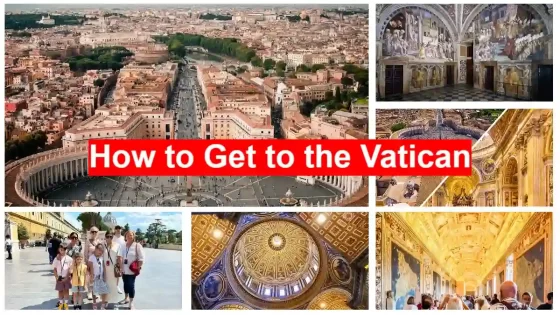
Crafting the perfect Vatican itinerary is often the most daunting task for anyone planning a trip to Italy, mostly because the sheer scale of the art and history packed into this tiny city-state can feel overwhelming. When I first stepped into Vatican City, I made the classic mistake of thinking I could just “wing it,” only to find myself wandering aimlessly through the Gallery of Maps while my feet screamed for mercy. Since then, I have returned to Rome multiple times, refining my approach to help others avoid the exhaustion of poor planning. Whether you are a frantic traveler trying to squeeze the highlights into a few hours or an art devotee ready to spend an entire day absorbing every fresco, having a solid Vatican visit plan is the difference between a stressful crowded maze and a transformative cultural experience. In this 2026 guide, I will share the exact strategies I use to navigate the crowds, find the quiet corners, and ensure that your Vatican travel itinerary feels like a personal journey through time rather than a rushed tourist checklist.
What to Know Before Planning Your Vatican City Itinerary
Before you even book your flights to Italy, you need to understand that the Vatican operates on its own wavelength, distinct from the rest of Rome. My first piece of advice is to view your Vatican trip planning as a strategic operation. You aren’t just visiting a museum; you are entering the smallest country in the world, which happens to house the most concentrated collection of masterpieces on the planet. I remember sitting at a small cafe near the Vatican walls, watching frustrated travelers realize they couldn’t enter the Basilica because their shoulders weren’t covered. These small details are the foundation of a successful Vatican exploration guide. You have to account for security lines, dress codes, and the physical toll of walking miles on marble floors. Understanding the Vatican visit logistics early on allows you to focus on the beauty of the Sistine Chapel rather than the logistics of where to find the nearest exit.
How Big Is Vatican City and What Can You Actually See
Many people ask how big is Vatican City to visit, and while the physical footprint is only about 44 hectares, the density of sights is staggering. When you are building your Vatican itinerary, you are primarily dealing with three main areas: the Vatican Museums, the Sistine Chapel, and St. Peter’s Basilica. However, there is so much more tucked away, like the Vatican Gardens or the Necropolis. In my experience, even if you are following a Vatican must see route, you will only ever see a fraction of the 70,000 works in the collection. On my third visit, I finally realized that the Vatican schedule is less about seeing “everything” and more about seeing the right things for you. You can see the heavy hitters—the Laocoön, the Raphael Rooms, and Michelangelo’s Pietà—but trying to see every single Egyptian artifact or tapestry will result in “museum fatigue” faster than you can say “Renaissance.”
How Much Time Do You Need to Visit Vatican Properly
If you are wondering how much time Vatican visit requires, the honest answer depends on your stamina. A Vatican visit duration typically ranges from three hours to a full six or seven hours. From what I have observed over the years, the “sweet spot” for most visitors is around four to five hours. This allows for a deep dive into the museums without feeling like you are running a marathon. When I help friends with their Vatican planning guide, I always tell them that a “proper” visit isn’t measured by the clock, but by how much you can actually absorb. If you rush through the Gallery of the Candelabra just to say you were there, you haven’t really seen it. A well-paced Vatican daily plan builds in time for reflection, a quick espresso break, and the inevitable moments where you just want to stand still and stare at a ceiling for twenty minutes.
Do You Need Tickets for Vatican Attractions Before Planning
One of the biggest questions I get is do you need tickets Vatican itinerary prep. The answer is a resounding, categorical yes. In 2026, trying to show up at the Vatican without a pre-booked entry time is a recipe for standing in a line that wraps around the ancient walls for hours. I’ve seen the “no-ticket” line in the heat of a Rome summer, and it is not a place you want to be. Your Vatican travel plan must begin with securing your time slot months in advance. This is the cornerstone of any Vatican visit strategy. Having your tickets ready means you can walk past the hundreds of hopeful but unprepared tourists and head straight to the security check. This single step saves you more time than any “fast route” ever could. It’s the most vital part of how to plan Vatican visit efficiently, ensuring that your energy is spent inside the halls of art rather than outside on the hot pavement.
How to Choose the Best Vatican Itinerary Based on Your Time
Choosing the right Vatican visit plan is a bit like choosing a mountain to climb; you need to be honest about your fitness level and how much “altitude” you actually want to gain. In Italy, time has a way of slipping through your fingers, especially when you are surrounded by centuries of art. I’ve seen travelers try to sprint through the museums in ninety minutes, and while they technically “saw” the Sistine Chapel, they looked more like they had finished a triathlon than visited a sanctuary. Your Vatican itinerary should reflect your personal travel style. Are you a “highlights and go” person, or do you want to read every plaque and notice the subtle brushstrokes in the Raphael Rooms? In 2026, the Vatican has extended its hours, which gives us more flexibility, but the sheer volume of visitors means your timing choice is more critical than ever.
3 Hour Vatican Itinerary vs Half Day vs Full Day Comparison
When you are comparing a Vatican itinerary 3 hours plan against a Vatican half day itinerary or a Vatican full day itinerary, you are essentially choosing between a “Greatest Hits” album and the full discography. A 3-hour plan is a surgical strike—you enter, hit the Pinecone Courtyard, the Gallery of Maps, the Sistine Chapel, and finish in the Basilica. It’s efficient, but you’ll feel the pace. A half-day (around 4-5 hours) is the gold standard. It allows for a more “human” pace where you can stop for a coffee in the courtyard or spend an extra ten minutes in the Octagonal Court looking at the Laocoön. The full-day plan is for the true devotee. This is the only way to include the Pinacoteca (Art Gallery), which I personally think is one of the most underrated parts of Vatican City, and still have energy for the Dome climb at St. Peter’s.
Which Vatican Itinerary Is Best for First Time Visitors
For those on their very first trip to Rome, I almost always recommend the Vatican half day itinerary. It strikes the perfect balance between seeing the “must-sees” and not leaving the city feeling like a zombie. As a Vatican travel plan, the half-day option covers the core of the museums and the religious heart of the Basilica without the crushing fatigue that sets in around hour six of a full-day trek. If it’s your first time, you want to leave wanting more, not feeling relieved to finally be outside. I remember my first visit; I tried to do too much and ended up sitting on the steps of the Vatican walls, too tired to even find a taxi. Don’t be that person. Stick to a focused 4-hour Vatican highlights itinerary and you’ll have a much more meaningful connection with the art.
Factors That Affect Your Vatican Visit Timing
Several “invisible” factors can disrupt even the best Vatican schedule. First and foremost is the security line. Even with a Vatican itinerary that includes skip-the-line tickets, you still have to clear security, which can take anywhere from 10 to 30 minutes in 2026. Then there’s the “people flow.” The Vatican has specific choke points, like the entrance to the Sistine Chapel, where the crowd slows to a crawl. On Wednesdays, the Papal Audience in St. Peter’s Square can also change how you navigate the city, often making the Basilica inaccessible until the afternoon. When I’m fine-tuning a Vatican visit strategy, I always account for these “buffer” periods. If you don’t build in at least 45 minutes of “waiting and walking” time into your Vatican daily plan, you will find yourself constantly checking your watch instead of looking at the frescoes.
Vatican Itinerary Map Explained (Best Route for Visitors)
Navigating the Vatican without a clear Vatican route guide is a bit like trying to solve a puzzle where the pieces keep moving. The museums are essentially a series of interconnected palaces, and the flow is almost entirely one-way. If you miss a room, you often can’t just turn around and go back due to the heavy “people flow” and the strict directional signage updated for 2026. I’ve learned the hard way that understanding the Vatican map route before you step through the metal detectors is the only way to keep your sanity. The layout is designed to funnel everyone toward the Sistine Chapel, which sits at the very end of the museum complex. This means your Vatican walking route is a linear journey through centuries of art, culminating in Michelangelo’s masterpiece.
Best Route Through Vatican Museums Step by Step
The best route Vatican Museums offer for most visitors starts with a quick breath of fresh air in the Pinecone Courtyard (Cortile della Pigna). From there, you enter the Pio-Clementino Museum to see the heavyweights of classical sculpture. Following the natural flow of the Vatican exploration guide, you will then walk through the “Big Three” galleries: the Gallery of the Candelabra, the Gallery of Tapestries, and the world-famous Gallery of Maps. This 120-meter-long hall is a highlight of any Vatican highlights itinerary. After the maps, the path usually splits; you can head straight to the Sistine Chapel or take a slight detour to the Raphael Rooms. My personal Vatican visit strategy is always to prioritize the Raphael Rooms if you have the energy, as “The School of Athens” is a sight you shouldn’t skip just to save ten minutes.
How to Navigate Vatican Without Getting Lost
If you are worried about how to navigate Vatican itinerary paths, keep your eyes on the “Capella Sistina” signs. They are everywhere. However, the real trick to not getting lost—or rather, not getting overwhelmed—is to use the courtyards as your “reset” points. The Vatican Museums itinerary is long, and it’s easy to lose your sense of direction in the windowless corridors of the upper galleries. In 2026, the Vatican has improved its digital signage, but a physical or downloaded Vatican route guide is still your best friend. I always tell people to think of the route as a long “U” shape. You go up one side of the palaces and come down the other. If you find yourself walking against a crowd of people, you’ve likely missed a turn.
Key Areas You Should Include in Your Vatican Itinerary
Every Vatican travel plan should have a few non-negotiable “anchor” points. Beyond the Sistine Chapel and the Basilica, you must include the Bramante Staircase (the modern exit one) and the Octagonal Courtyard. If you are an art lover, the Pinacoteca (Vatican Art Gallery) is a Vatican must see route addition that many people skip because it’s near the entrance and requires an intentional detour. In my 2026 Vatican visit logistics notes, I always emphasize that these “key areas” are the heart of the experience. Even on a Vatican itinerary 3 hours sprint, you should try to stand in the center of the Gallery of Maps and look up—the ceiling is just as impressive as the maps on the walls. These moments of awe are what you will remember long after you’ve left Italy.
3 Hour Vatican Itinerary (Fast Track Plan for Busy Travelers)
If you only have a morning or an afternoon, a Vatican itinerary 3 hours plan is essentially a “sprint” through some of the most significant art in human history. I’ve had to do this myself when traveling with friends who were on a tight schedule, and while it requires discipline, it is entirely possible to leave feeling like you’ve seen the soul of the Vatican. The trick is to ignore the side galleries and stay focused on the primary artery that leads to the Sistine Chapel. In 2026, the crowds are as thick as ever, so your Vatican visit strategy for a short trip must be centered on movement. You won’t have time to linger for an hour in the Pinacoteca, but you will have enough time to be moved by Michelangelo and the scale of the Basilica.
What to See in Vatican in 3 Hours Step by Step Plan
Your 3-hour journey starts the moment you clear security. Head straight for the Pinecone Courtyard to get your bearings, then move immediately into the Pio-Clementino Museum. Spend exactly 15 minutes here seeing the Laocoön and the Belvedere Torso. From there, walk through the Gallery of the Candelabra and the Gallery of Maps without stopping for every single detail—treat the maps as a beautiful backdrop for your walk. Your goal is to reach the Sistine Chapel within the first 75 minutes. After spending 20-30 minutes in quiet contemplation of the ceiling, you’ll need to make a choice about the Basilica. This “surgical strike” approach is the most effective Vatican travel plan for those who need to catch a train or a flight but refuse to leave Rome without seeing the Pope’s home.
Fastest Route Through Vatican Museums and Sistine Chapel
The fastest route Vatican Museums offer is the “Short Itinerary” (marked with green signs in 2026). This path bypasses the Raphael Rooms and the Borgia Apartments, taking you directly from the main galleries to the Sistine Chapel. While it’s a sacrifice to miss Raphael’s “School of Athens,” it’s a necessary one if you are strictly following a 3-hour Vatican visit duration. I always tell people that if you find yourself in the Gallery of Tapestries, you are on the right track. This route is designed for maximum efficiency and minimum backtracking. It’s the “express lane” of Vatican trip planning, ensuring you reach the ultimate highlight before museum fatigue or time constraints kick in.
Can You Visit St Peter’s Basilica in 3 Hours Itinerary
A common question is, can you visit basilica in 3 hours while also seeing the museums? The answer is “yes, but only with a guided tour.” In 2026, the famous “secret door” that connects the Sistine Chapel directly to St. Peter’s Basilica is strictly reserved for licensed tour groups. If you are visiting independently, you have to exit the museums, walk 15 minutes around the Vatican walls, and clear a second security line in St. Peter’s Square. For a solo traveler, this usually makes a 3-hour dual visit impossible. However, if you are on a Vatican tour plan with a guide, they can whisk you through that dedicated passage, saving you over an hour of walking and waiting. If you are on your own and only have 3 hours, I recommend picking either the Museums or the Basilica, but not both, to avoid a stressful and rushed experience.
Half Day Vatican Itinerary (Most Popular Option)
The Vatican half day itinerary is, without a doubt, the sweet spot for the majority of travelers visiting Italy in 2026. It provides just enough time to feel like you’ve actually absorbed the art rather than just witnessed it through the lens of your smartphone. When I’m in Rome, I find that a four-to-five-hour window allows the morning rush to settle slightly, or conversely, gives you enough time to finish before the late afternoon heat peaks. This “human-scale” approach is the core of any successful Vatican visit strategy, as it accounts for the physical reality of walking several miles across marble floors that have seen millions of footsteps.
Best Half Day Vatican Itinerary for First Time Visitors
For your first real encounter with the Holy See, the best half day Vatican itinerary begins around 8:30 AM or 1:30 PM. I personally prefer the early slot because there is a specific kind of magic in the Pinecone Courtyard when the light is still soft. Your path should lead you through the Pio-Clementino Museum to see the classical statues, followed by a steady walk through the three great galleries: Candelabra, Tapestries, and Maps. In a half-day Vatican travel itinerary, you have the luxury of spending twenty minutes in the Raphael Rooms. Standing in front of “The School of Athens” is a requirement for any Vatican highlights itinerary, as it represents the peak of Renaissance thought. From there, you move to the Sistine Chapel, followed by a visit to St. Peter’s Basilica.
How to Balance Vatican Museums and Basilica in Half Day
The trick to how to split Vatican visit half day style is the “2+2 Rule”—two hours for the Museums and two hours for the Basilica and Square. However, in 2026, the transition between the two can be a bottleneck. If you are on an independent Vatican visit plan, you have to exit the Museums and walk about 15 minutes around the exterior walls to the entrance of St. Peter’s Square, where you will face a second security line. I’ve seen this line take over an hour during peak season. To maintain your Vatican itinerary flow, I highly recommend booking a guided tour that includes Basilica access. These groups often use a dedicated internal passage from the Sistine Chapel, which is a massive time-saver that keeps your “half day” from turning into a “full day of waiting.”
Ideal Timeline for Half Day Vatican Visit
An ideal timeline for half day Vatican visit looks something like this:
0:00 – 0:30: Security check and entry (aim for a pre-booked 8:30 AM slot).
0:30 – 1:30: Classical sculptures and the “Big Three” long galleries.
1:30 – 2:15: Raphael Rooms and the walk to the Sistine Chapel.
2:15 – 2:45: Quiet contemplation in the Sistine Chapel.
2:45 – 4:00: Transition to and exploration of St. Peter’s Basilica. This schedule is the backbone of a solid Vatican daily plan. It gives you enough time to breathe but keeps you moving. I always tell travelers that if they find themselves ahead of schedule, they should spend that “bonus” time in the Gallery of Maps—it is one of the few places in Vatican City where the art is so expansive that you can always find a new detail to marvel at, even on your fifth visit.
Full Day Vatican Itinerary (Complete Experience Guide)
If you are a true enthusiast of history and art, the Vatican full day itinerary is the only way to truly honor the sheer volume of culture housed within these walls. In 2026, with the Museums often staying open until 8:00 PM, a full day doesn’t just mean “more time”—it means the ability to explore at a pace that allows for genuine emotional connection. I’ve spent entire days here, and there is a specific shift that happens around 3:00 PM; the tour groups begin to thin out, the light in the courtyards turns golden, and the Vatican feels less like a tourist attraction and more like the sacred sanctuary it was intended to be. This is the ultimate Vatican travel plan for those who want to see the hidden gems that 90% of visitors skip.
What to See in Vatican in One Full Day Detailed Plan
A full day Vatican itinerary plan starts with the Pinacoteca (Vatican Art Gallery). Most people miss this because it’s located near the entrance, but it holds masterpieces by Raphael, Caravaggio, and the only Leonardo da Vinci painting in Rome. After an hour here, head into the main museum complex. By midday, you’ll want to have covered the Pio-Clementino Museum and the Gallery of Maps. For lunch, the Vatican offers several options, including the Bistrot La Pigna in the Pinecone Courtyard, where you can enjoy a meal with a view of the colossal bronze pinecone. In the afternoon, dive into the Raphael Rooms and the Borgia Apartments before making your way to the Sistine Chapel. Because you have a full day, you can afford to sit for 45 minutes in the Chapel, letting your eyes adjust to the intricate details of “The Last Judgment.”
Exploring Vatican Museums Without Rushing
The beauty of a Vatican full day itinerary is the freedom to follow your curiosity. If a particular statue in the Chiaramonti Museum catches your eye, you can stop. If you want to spend extra time in the Ethnological Museum (Anima Mundi), you can. In 2026, how to explore Vatican Museums fully means venturing beyond the “highways” of the main galleries. I always recommend visiting the Carriage Pavilion, which houses the various “Popemobiles” used throughout history—it’s a fascinating look at the intersection of faith and modern technology. This relaxed Vatican exploration guide approach ensures you don’t end the day with “museum blindness,” where everything starts to look the same. You have the time to treat each gallery as its own unique world.
Including St Peter’s Dome Climb in Full Day Itinerary
No full day Vatican itinerary is complete without ascending to the highest point in Vatican City. Adding the St. Peter’s Dome climb is a physical challenge, but the reward is the most iconic view of Rome. In 2026, the climb costs approximately 10 to 17 Euros depending on whether you take the elevator to the terrace level or climb all 551 steps from the bottom. I highly suggest doing this in the late afternoon. The view of the sunset over St. Peter’s Square is a moment of pure magic that makes the narrow, winding staircase worth every step. After the climb, descend into the Papal Crypts to see the tombs of former Popes, including St. Peter himself. This comprehensive Vatican highlights itinerary ensures that by the time you leave the city-state, you haven’t just seen the art—you’ve walked through the very layers of its history.
Vatican Museums Itinerary (How to See Highlights Efficiently)
The Vatican Museums itinerary is a sprawling journey through roughly seven kilometers of galleries, which can feel like a labyrinth if you don’t have a plan. In 2026, the flow of the museum is strictly one-way, designed to lead everyone toward the grand finale at the Sistine Chapel. When I think back to my first time here, I remember feeling a bit like a leaf in a river—pushed along by the crowd. To see the highlights efficiently, you have to be intentional. You are moving through a sequence of palaces that were never originally intended to be a public museum, which is why the Vatican route guide is so linear. Efficiency in the Vatican isn’t about rushing; it’s about knowing where to linger and where to keep a steady pace.
Must See Highlights in Vatican Museums for First Time Visitors
For those on their inaugural Vatican travel plan, there are several “heavy hitters” that define the experience. After the Pinecone Courtyard, your first major stop is the Pio-Clementino Museum, where you will find the Laocoön Group and the Belvedere Torso—the very sculptures that inspired Michelangelo. Moving deeper, the Gallery of Maps is a sensory overload of gold and geography that spans 120 meters; it is often the most photographed part of the Vatican Museums. Don’t miss the Raphael Rooms, specifically the School of Athens, which is a masterclass in Renaissance philosophy and perspective. These Vatican highlights itinerary stops are the core of the collection. I always suggest that first-timers also look for the Bramante Staircase (the modern spiral exit) at the very end—it is an architectural marvel that makes for the perfect final photo of your visit.
Best Route to See Sistine Chapel Without Backtracking
The best route Sistine Chapel seekers can follow to avoid the “roundabout” is to use the Sistine Chapel Express signage (often marked in green or purple in 2026). This route is the most direct Vatican walking route, bypassing the Pinacoteca and some of the smaller Egyptian and Etruscan galleries. It takes you through the main corridors—Candelabra, Tapestries, and Maps—straight into the Chapel. Backtracking is physically difficult in the Vatican due to the sheer volume of people moving in one direction. My best tip for a Vatican visit strategy is to treat the walk to the Chapel as a “look but don’t linger” phase if your primary goal is to see Michelangelo’s work before you get tired. Once you exit the Chapel, you are near the end of the museum loop, so seeing it early in your Vatican daily plan ensures you have the mental energy to truly appreciate the Creation of Adam.
How Long to Spend in Each Gallery
Managing your Vatican visit duration requires a bit of time-budgeting for each section. In a standard Vatican visit plan, I recommend the following breakdown:
Pio-Clementino Museum: 20-30 minutes for the classical statues.
Gallery of Maps: 15 minutes (it’s a walk-through, but the ceiling demands attention).
Raphael Rooms: 25 minutes to absorb the four main chambers.
Sistine Chapel: 30 minutes (minimum) for quiet observation.
- Pinacoteca (Art Gallery): 40 minutes if you are an art lover; otherwise, it’s a 15-minute highlights tour.
If you follow this Vatican exploration guide, you will spend about 2 to 3 hours inside the museums themselves. In 2026, the crowds can slow your transit time between these galleries, so always add a “buffer” of 20 minutes for general navigation and the occasional neck-stretch. This structured approach to your Vatican schedule prevents the mid-visit exhaustion that often ruins the experience for many travelers in Italy.
St Peter’s Basilica Itinerary (Entry and Exploration Plan)
While the Museums house the treasures of the Popes, St. Peter’s Basilica is the spiritual and architectural anchor of Vatican City. In 2026, the Basilica remains free to enter, but “free” often comes with the cost of time. I have stood in the sun-drenched St. Peter’s Square for over ninety minutes just to clear the airport-style security. Your St Peter’s Basilica itinerary plan must be built around minimizing this wait. Whether you are entering through the main square or using a guided tour connection, the scale of this space is hard to fathom until you are standing beneath the central dome, where the letters of the mosaic are as tall as a grown man.
How to Visit St. Peter’s Basilica Efficiently
In 2026, the most efficient way to visit is to arrive at the gates by 7:00 AM. At this hour, the light filtering through the high windows of the Basilica is ethereal, and you can often walk straight through security. If you are following a Vatican visit strategy that starts with the Museums, remember that independent visitors must exit the museums and walk around the external walls to the square. This transition can take 15 to 20 minutes of walking plus the security line time. To maintain your Vatican itinerary flow, I highly suggest checking if the “Prayer Path” (dedicated to worshippers) is an option for you, or better yet, booking a guided tour. Licensed guides in 2026 still have access to a privileged passage that bypasses the public square queue, which is the ultimate “fast track” for any Vatican travel plan.
What to See Inside Basilica in Limited Time
Even if you are on a Vatican itinerary 3 hours sprint, there are four “holy grails” you cannot miss. First, immediately to your right as you enter is Michelangelo’s Pietà. It is now behind bulletproof glass, so get as close as the barrier allows to see the incredible detail in the marble. Second, walk down the central nave to Bernini’s Baldachin—the massive bronze canopy over the main altar. Third, rub the foot of the bronze statue of St. Peter for a blessing, a tradition that has smoothed the metal over centuries. Finally, look down into the Confessio, the sunken area in front of the altar that leads toward the tomb of St. Peter. These Vatican highlights itinerary stops can be completed in about 45 minutes if you are moving with purpose, giving you a comprehensive feel for the site’s grandeur.
Adding Dome Climb to Your Basilica Visit
If your Vatican half day itinerary has any room for adventure, the St. Peter’s Dome climb is non-negotiable. In 2026, you can choose to take the elevator to the terrace level (€10) or climb all 551 steps (€8). I always recommend the elevator; it saves your legs for the final 320 steps, which are narrow, slanted, and require a bit of a “corkscrew” walk. The view from the top of the lantern is the best in Italy, offering a perfect 360-degree look at the Vatican Gardens and the sprawl of Rome. Note that the Dome has slightly shorter hours than the Basilica, typically closing by 6:00 PM in the summer. Including this in your Vatican exploration guide adds about 60 to 90 minutes to your visit, but looking down at the baldachin from the internal gallery of the dome is a perspective you will never forget.
How to Combine Vatican Attractions in One Visit
Mastering the art of the “one-day sweep” is the holy grail of Vatican trip planning. In 2026, the logistical challenge is that the Vatican Museums and St. Peter’s Basilica are technically separate entities with their own security protocols and entrances located about 15 minutes apart by foot. I’ve seen many exhausted travelers realize too late that they have to walk all the way around the massive city walls to get from the museum exit back to the Basilica entrance. To truly combine these attractions without losing your momentum, you need a strategy that respects the physical layout of Vatican City while maximizing your time in front of the art.
Vatican Museums and Basilica Same Day Itinerary
The most logical Vatican Museums and Basilica same day itinerary starts with the museums. In 2026, the demand for tickets is so high that you should aim for the earliest possible entry slot, ideally between 8:00 AM and 9:00 AM. This allows you to navigate the museums and the Sistine Chapel while your energy levels are high. After exiting the museums, you will have to exit onto Viale Vaticano, turn right, and follow the wall until you reach St. Peter’s Square. By the time you reach the square, it will likely be midday. My secret for this transition is to stop at one of the small “pasticcerias” just outside the walls for a quick panino and an espresso—it’s the fuel you’ll need for the second security line at the Basilica.
Best Way to Move Between Attractions Inside Vatican
If you want the absolute best way to move between attractions inside Vatican territory, you have to talk about the “secret” passage. There is a small door in the back right corner of the Sistine Chapel that leads directly to the portico of St. Peter’s Basilica. However, in 2026, this door is strictly reserved for visitors on a licensed Vatican tour plan. If you are on an independent Vatican visit strategy, you will not be allowed through. For solo travelers, the “best way” is simply a brisk walk around the walls. I recommend using the walk as a mental palette cleanser; the contrast between the crowded museum halls and the open, grand scale of St. Peter’s Square is a vital part of the Vatican experience guide.
Avoiding Backtracking in Vatican Itinerary
To succeed in avoiding backtracking in Vatican itinerary layouts, you must treat your day as a one-way journey. Do not plan to “come back later” to see a room you missed in the museums; the one-way flow makes this almost impossible. Start at the Musei Vaticani entrance, move through the galleries to the Sistine Chapel, exit the museum complex entirely, and then finish your day at the Basilica. If you try to visit the Basilica first and then the Museums, you often find yourself fighting the heaviest afternoon crowds in the galleries. This linear Vatican walking route is the most efficient way to ensure you see everything on your Vatican highlights itinerary without feeling like you are walking in circles.
Best Time-Based Strategies for Vatican Itinerary
Timing is the invisible hand that can either elevate your Vatican visit plan or turn it into a struggle against a sea of selfie sticks. In 2026, the Vatican Museums have standardized their opening hours from 8:00 AM to 8:00 PM, but don’t let the wide window fool you; the density of the crowd fluctuates wildly. I’ve found that the Vatican feels like two completely different countries depending on when you enter. To truly optimize your Vatican travel itinerary, you have to think like a local and move against the rhythm of the large tour groups that typically flood the halls between 10:00 AM and 2:00 PM.
Early Morning Vatican Itinerary for Fewer Crowds
The “Early Bird” strategy is the most popular for a reason. If you can secure an 8:00 AM entry slot—or better yet, a 7:30 AM VIP access ticket—you are buying yourself the closest thing to a private viewing. On my last morning visit to Italy, I managed to reach the Sistine Chapel when there were fewer than twenty people inside. The silence in that room is something you can feel in your chest. An early morning Vatican itinerary allows you to knock out the most crowded areas, like the Gallery of Maps, before the general public heat rises. This is the gold standard for how to plan Vatican visit efficiently, as it leaves your afternoon free to explore the rest of Rome or enjoy a long, well-deserved Italian lunch.
Late Afternoon Vatican Itinerary Strategy
If you aren’t a morning person, the “Late Shift” is a brilliant alternative. Most of the massive tour buses that come in from the outskirts of Italy start to head out by 3:30 PM. By 4:00 PM, a late afternoon Vatican itinerary begins to feel much more breathable. In 2026, with the 8:00 PM closure, entering at 4:30 PM gives you a solid three and a half hours. The light in the Pinecone Courtyard during the “golden hour” is spectacular for photos. I’ve often found that the museum staff are more relaxed, and the echo in the long galleries returns as the crowds thin. This is a top-tier Vatican visit strategy for those who want to avoid the midday sun and the peak humidity of the galleries.
Best Time Slots to Follow Your Vatican Plan
When looking at the Vatican schedule, certain days and times are statistically better. Tuesdays and Thursdays are generally quieter than Mondays (when many other Rome museums are closed) or weekends. If you are visiting between April and October in 2026, look for the Friday night openings, where the Museums stay open until 10:30 PM. These evening slots are an incredible addition to any Vatican travel plan, offering a nocturnal ambiance that is deeply romantic and far less chaotic. Whatever you do, avoid the “Free Sunday” (the last Sunday of the month) unless you are on a very strict budget; the lines can be four hours long, and the interior density makes it hard to actually see the art on your Vatican highlights itinerary.
How to Skip the Line Within Your Vatican Itinerary
Navigating the entry queues at the Vatican in 2026 is less about luck and more about the specific type of access you secure. I have stood in the general admission line in Rome during my early days, and I can tell you from experience that watching thousands of people walk past you while you melt in the Italian sun is a lesson you only need to learn once. In 2026, the term “skip the line” actually refers to bypassing the massive ticket-purchase queue, which can stretch for three hours. However, everyone—regardless of their ticket type—must still clear the security screening. Your Vatican visit strategy should be built around minimizing both of these hurdles to keep your itinerary on track.
Best Tickets to Use for Faster Itinerary Flow
For the smoothest Vatican travel itinerary, you have three main “fast-track” options. The most common is the timed-entry ticket booked directly through the official Vatican Museums website for about €25. This allows you to walk straight to the priority entrance at your selected time. If these are sold out—which they often do 10 days in advance in 2026—you should look for hosted entry tickets. These involve meeting a representative at a nearby office who then walks you past the crowds to the correct priority lane. Finally, the Vatican Gardens tour is a “secret” efficiency hack; it includes an open-bus tour of the gardens followed by guaranteed skip-the-line entry to the Museums. I find this to be the most relaxing way to start a Vatican daily plan, as it physically places you inside the museum complex away from the main street-side chaos.
Guided Tours vs Self Guided Itinerary Efficiency
When deciding between a guided tour and a self-guided itinerary, consider that in 2026, tour groups have their own dedicated entrance that is often faster than the individual skip-the-line lane. A guide acts as a human Vatican route guide, steering you away from dead ends and toward the most important masterpieces. If you are a first-time visitor, a 3-hour guided tour is incredibly efficient because you don’t have to spend any mental energy on how to navigate Vatican itinerary maps. On the other hand, a self-guided visit using an audio guide gives you the freedom to linger in the Gallery of Maps as long as you want. My personal recommendation is to take a tour if you are short on time, but go solo if you want to soak in the atmosphere at your own pace.
Time Saving Tips to Avoid Queues
To truly optimize your Vatican visit logistics, keep these 2026 “insider” tips in mind. First, always arrive at least 15 to 20 minutes before your booked time slot; the security line can still take 10 to 30 minutes, and being early ensures you don’t miss your window. Second, keep your Vatican travel plan flexible for the Basilica. While entry to St. Peter’s Basilica is free, the security line in the square is a major bottleneck. To avoid this, book a tour that explicitly includes “Basilica access”—these groups use a special passage from the Sistine Chapel that bypasses the square entirely. This single tip can save you up to two hours of standing on cobblestones, making it the ultimate way to plan Vatican visit efficiently in a single day.
Vatican Itinerary with Kids (Family Friendly Plan)
Visiting the Vatican with children in 2026 can be a magical experience or a logistical challenge, depending entirely on your Vatican visit strategy. I’ve seen families struggling with heavy strollers on the spiral staircases, but I’ve also seen kids completely mesmerized by the “stone zoo” of the Hall of Animals. The key to a successful Vatican travel itinerary with little ones is to prioritize engagement over exhaustion. In Italy, family is central to life, and the Vatican reflects this with surprisingly robust services for parents, provided you know where to find them. Your Vatican daily plan needs to be flexible, with plenty of “reset” moments in the open-air courtyards.
Best Vatican Itinerary for Families with Children
The best Vatican itinerary for families actually starts before you enter the museum. In 2026, the Vatican Museums offer a dedicated “Capture Nature” interactive tour in the Vatican Gardens, which is a brilliant way to let kids burn off energy in a beautiful, secure green space before heading inside. For the museum portion, I highly recommend a 2.5-hour Vatican tour plan specifically designed for children. These tours often focus on the Gregorian Egyptian Museum—because what kid doesn’t want to see an actual mummy?—and the Gallery of Maps, which feels like a giant, golden storybook. By keeping the indoor portion under three hours, you ensure that the Vatican experience guide remains a highlight of their trip to Rome rather than a chore.
What to Skip When Visiting Vatican with Kids
To keep your Vatican visit logistics smooth, you have to be willing to make some “executive cuts.” I always advise families to skip the Pinacoteca (Art Gallery) unless their children are older art students; it’s quiet, serious, and can feel tedious for a ten-year-old. Likewise, the Borgia Apartments can be dark and crowded, which often leads to “museum meltdowns.” If you are following a Vatican half day itinerary, consider skipping the St. Peter’s Dome climb if your kids are under the age of six. The 320 final steps are narrow, slanted, and can be frightening for small children (and stressful for parents). Instead, spend that time in the Carriage Pavilion looking at the historic Popemobiles, which is always a hit with younger travelers.
Keeping Kids Engaged During Vatican Visit
Engagement is the best defense against boredom. In 2026, the Vatican Museums offer a specialized Family Tour Audioguide that turns the galleries into a scavenger hunt. I’ve found that giving a child their own “mission”—like finding all the lions in the Hall of Animals or spotting the “bee” symbols of the Barberini family in the Gallery of Tapestries—changes their entire perspective. Additionally, take advantage of the family-friendly facilities; there are nursing rooms and baby-changing stations located near the Pinecone Courtyard and the Sistine Chapel. For lunch, the Vatican self-service cafeteria has a dedicated children’s menu with high chairs available. By building these “human” moments into your Vatican visit plan, you ensure that the entire family leaves Vatican City with smiles instead of sighs.
Vatican Itinerary for Art Lovers (Deep Exploration Plan)
For the true art enthusiast, the Vatican Museums are not just a stop on a holiday—they are a pilgrimage. In 2026, with the collection spanning over 54 galleries and housing 70,000 works, an art-focused Vatican visit strategy requires you to step off the “tourist highway” and into the quieter, more profound corners of the complex. When I spend a day here focusing on the art, I find that the most moving moments often happen away from the heaviest crowds, in the presence of a Caravaggio or an ancient Etruscan bronze. This is a Vatican exploration guide designed for those who want to understand the “why” behind the masterpieces, following the thread of human creativity from antiquity to the modern era.
Best Art Focused Route Through Vatican Museums
The most rewarding Vatican travel plan for art lovers begins with the Pinacoteca (Vatican Art Gallery). Located in a separate wing near the entrance, it is criminally overlooked by most visitors. Here, you can trace the evolution of painting across 18 rooms. Start with the medieval primitives and work your way to Room VIII, which is entirely dedicated to Raphael, containing his Transfiguration—the last painting he worked on before his death. From there, head to the Braccio Nuovo (New Wing). This neoclassical masterpiece of architecture houses the Augustus of Primaporta, perhaps the most famous portrait of a Roman emperor ever carved. By starting your Vatican Museums itinerary with these two sections, you see world-class art in a much more contemplative environment before joining the main flow toward the Sistine Chapel.
Must See Masterpieces for Art Enthusiasts
Beyond the obvious highlights, your Vatican highlights itinerary should include several specific “deep cuts.” In the Pio-Clementino Museum, look past the Laocoön to find the Belvedere Torso; its muscular tension was so influential that Michelangelo claimed to be its “pupil.” In the Gallery of Maps, pay attention to the ceiling’s Mannerist frescoes, which are often ignored in favor of the maps themselves. A 2026 must-see is the Collection of Modern and Contemporary Art, which features surprisingly poignant religious works by Van Gogh, Dalí, and Picasso. I once spent twenty minutes alone with Van Gogh’s Pietà in this section—a rare moment of solitude in Vatican City that most travelers miss because they are rushing to the end of the line.
How to Spend More Time in Key Galleries
To truly maximize your Vatican visit duration, you must learn the art of “counter-flow” timing. If you find the Raphael Rooms too crowded in the morning, visit the Gregorian Etruscan Museum first. The gold jewelry and bronze statues here are breathtaking and rarely see the same foot traffic. In 2026, the Vatican has introduced more seating in the larger galleries, allowing you to actually sit and sketch or take notes. When you finally reach the Sistine Chapel, don’t just look up; find a spot along the perimeter benches. This is the only way to truly “read” the ceiling from the Separation of Light from Darkness to the Drunkenness of Noah. By pacing yourself and allowing for 40-minute “deep dives” into specific rooms rather than a constant 3-hour walk, your Vatican travel itinerary becomes a series of meaningful encounters rather than a blur of gold and marble.
Vatican Itinerary on a Budget (Smart Planning Guide)
Exploring the Vatican in 2026 doesn’t have to break your travel budget, but it does require a bit of strategic foresight. I’ve seen many travelers spend unnecessary Euros on high-markup third-party tickets simply because they didn’t know the official rules of the road. In Italy, some of the most profound experiences are actually quite affordable, or even free, if you know when and where to look. Your Vatican visit strategy on a budget should focus on securing official rates and taking advantage of the city-state’s specific open-access traditions. By being a “smart planner,” you can save enough money to enjoy a truly spectacular dinner in Rome afterward.
Free Things to Include in Vatican Itinerary
You might be surprised to learn how much of Vatican City you can see without spending a single cent. First and foremost, entry to St. Peter’s Basilica is entirely free. While the lines can be long, the experience of standing under the dome is one of the world’s great travel highlights that remains accessible to everyone. Additionally, visiting St. Peter’s Square to admire Bernini’s colonnade and the Egyptian obelisk costs nothing. For those following a Vatican budget friendly ticket approach, remember that the Vatican Museums (including the Sistine Chapel) offer free admission on the last Sunday of every month. In 2026, these “Free Sundays” run from 9:00 AM to 2:00 PM. I usually tell travelers to only do this if they can arrive at the queue by 7:30 AM, as the 12:30 PM last entry cut-off is strictly enforced.
Budget Friendly Ticket Options and Timing
The most effective way to keep your Vatican travel plan affordable is to book directly through the official Vatican Museums website. In 2026, a standard adult ticket is approximately €25 when booked online, which includes the necessary reservation fee. This is significantly cheaper than the “hosted” or “priority” tickets sold by resellers. If you are a student under the age of 26, you are eligible for a reduced ticket (around €8 to €15), provided you have a valid international student ID. This is a massive saving that I always encourage younger travelers to utilize. Timing-wise, choosing a midweek slot (Tuesday or Wednesday) can sometimes help you avoid the temptation of paying for expensive “early access” tours, as the general crowds are slightly more manageable.
How to Save Time and Money During Visit
One of my favorite insider tips Vatican itinerary savers is to bring your own water bottle and a small, discreet snack. Food inside the Vatican cafes can be pricey, and there are several historic “nasoni” (water fountains) in St. Peter’s Square and near the museum entrance where you can refill for free. Another way to save is to use a free digital audio guide app on your smartphone instead of renting the museum’s equipment for €8. This keeps your Vatican visit duration productive without the extra cost. Finally, remember that your museum ticket is valid for the whole day, but only for a single entry. Don’t leave the complex thinking you can come back after lunch; instead, find a quiet spot in the Pinecone Courtyard to rest your feet. By focusing on these Vatican exploration guide tips, you can experience the height of Renaissance culture for the price of a modest meal.
Common Vatican Itinerary Mistakes to Avoid
Even with the most detailed Vatican travel itinerary, it is remarkably easy to fall into traps that can derail your entire experience. In 2026, the Vatican has become even stricter with its regulations to manage the millions of visitors who flock to Rome annually. I’ve witnessed countless travelers being turned away at the very threshold of the Basilica or the Museums because they overlooked a simple rule. Avoiding these common pitfalls is the most effective way to ensure your Vatican visit plan remains a source of inspiration rather than frustration.
Biggest Planning Mistakes First Time Visitors Make
The single most frequent mistake I see is the “last-minute gamble”—showing up without a pre-booked ticket. In 2026, the standby line for the Vatican Museums can easily exceed three hours in the heat. Your Vatican trip planning must prioritize booking at least 60 days in advance. Another major oversight is ignoring the Vatican dress code. This is not a suggestion; it is a strictly enforced requirement. Both men and women must have their shoulders and knees covered. I once saw a group of friends forced to buy overpriced paper ponchos from a street vendor because they wore tank tops and short shorts. To keep your Vatican visit logistics smooth, always carry a light scarf or wrap in your bag, especially during the humid summer months in Italy.
Trying to See Too Much in Limited Time
It is tempting to try and check every box on a Vatican highlights itinerary, but “museum fatigue” is a very real phenomenon. When you try to squeeze the Pinacoteca, the Egyptian Museum, the Raphael Rooms, the Sistine Chapel, and the Dome climb into a single 3-hour window, you end up seeing everything and feeling nothing. A common mistake is not accounting for the physical distance; the walk through the museums alone is several miles. In my 2026 Vatican exploration guide notes, I always emphasize quality over quantity. If you only have half a day, pick three “must-sees” and give yourself permission to skip the rest. This approach prevents you from feeling overwhelmed and allows for those spontaneous moments of awe that make travel so rewarding.
Poor Timing That Ruins Your Vatican Experience
Timing mistakes often revolve around the Vatican schedule for religious events. For instance, many people forget that on Wednesday mornings, the Papal Audience takes place in St. Peter’s Square. This means St. Peter’s Basilica is typically closed to visitors until around 12:30 PM or 1:00 PM. If your Vatican itinerary has you visiting the Basilica on a Wednesday morning, you will likely be disappointed. Additionally, arriving at midday is a classic error; this is when both the temperature and the crowd density are at their peak. For a much better Vatican visit strategy, aim for the very first entry of the day or the late afternoon slots. Also, be aware of the “Free Sunday” chaos; while the price is right, the sheer volume of people makes it nearly impossible to follow a structured Vatican route guide.
Real Visitor Tips to Optimize Your Vatican Itinerary
Even the most meticulous Vatican travel itinerary can be improved with a few “boots-on-the-ground” insights that only come from experiencing the 2026 crowds firsthand. The difference between a visitor who feels like a sardine and one who feels like a VIP often comes down to the small, logistical choices made during the walk. In Italy, the pace of life can be slow, but inside the Vatican, you need to be agile. From knowing how to physically move through the halls to finding the quietest place for a caffeine hit, these optimization strategies are the secret sauce of a professional Vatican visit plan.
Insider Tips to Move Faster Through Vatican
If you want to know how to move faster through Vatican Museums without sacrificing the experience, you need to master the “Corridor Coast.” In 2026, the Vatican uses a color-coded directional system; the green signs generally lead you on the fastest, most direct route to the Sistine Chapel. I always recommend keeping to the right side of the long galleries, like the Gallery of Maps, which allows faster visitors to bypass those who are stopped for photos. Another major time-saver is the “cloakroom strategy.” While large bags must be checked for free, I suggest traveling light with only a small backpack. This allows you to bypass the return line at the end of your visit, which can be surprisingly long. Most importantly, use a digital Vatican route guide on your phone rather than a paper map; it’s easier to navigate in a crowd and won’t get crumpled during the 7-kilometer trek.
Best Rest Stops and Break Points Inside Vatican
Knowing where the best rest stops and break points inside Vatican territory are can save your feet and your sanity. For a moment of peace, head to the Pinecone Courtyard (Cortile della Pigna). In 2026, there are several “relaxation areas” here with seating where you can sit and look at the colossal bronze pinecone while resting your back. If you need a proper meal, the Vatican Museums house four distinct dining venues. I personally love the Bistrot La Pigna for a quick sandwich, but if you have a full day Vatican itinerary, the full-service restaurant offers a much-needed air-conditioned sanctuary with three-course meals. For those on a budget, look for the vending machines tucked away near the Carriage Pavilion; they are the cheapest way to grab a quick espresso or a bottle of water without waiting in a long cafe line.
How to Avoid Getting Overwhelmed
The “Vatican Stendhal Syndrome”—the feeling of being completely overwhelmed by art—is real. To avoid this, I recommend the “Twenty-Minute Rule”: every twenty minutes, look away from the art and focus on something mundane, like the view out a window or the floor tiles. This helps reset your visual processing. In 2026, the Vatican has improved its signage for the “hidden” exits and restrooms, which are vital for a smooth Vatican visit logistics flow. If you feel the crowd closing in, head toward the Ethnological Museum (Anima Mundi) or the Missionary Ethnological Museum; these galleries are almost always quieter and offer a cooler, more spacious environment to catch your breath. By treating your Vatican exploration guide as a series of sprints and rests rather than a single marathon, you will leave the city-state feeling invigorated by the culture instead of drained by it.
Sample Vatican Itinerary Timelines (Visual Planning Guide)
To help you visualize your day in Vatican City, I have put together these three sample timelines based on the 2026 opening hours of 8:00 AM to 8:00 PM. These schedules account for the reality of security lines and the physical distance between galleries. In Italy, things often take a little longer than expected, so treat these as flexible guides rather than rigid laws. Whether you are sprinting or strolling, having a mental map of your hours is the best way to ensure your Vatican travel plan stays on track.
Sample 3 Hour Vatican Timeline Breakdown
This Vatican itinerary 3 hours plan is designed for maximum impact in minimum time. It assumes you have a pre-booked 8:30 AM ticket to beat the heaviest midday density.
08:15 AM: Arrive at the Museum entrance on Viale Vaticano and clear security.
08:30 AM: Official entry. Head straight to the Pinecone Courtyard for a 5-minute orientation.
08:45 AM: Enter the Pio-Clementino Museum to see the Laocoön and the Belvedere Torso.
09:15 AM: Walk through the Gallery of Maps (don’t stop, just keep moving and look up!).
09:35 AM: Arrive at the Sistine Chapel. Spend 25 minutes in quiet contemplation.
10:00 AM: Exit the Chapel and begin the 15-minute walk around the walls to St. Peter’s Square.
10:20 AM: Enter St. Peter’s Basilica (assuming you have a guided tour with skip-the-line access).
11:00 AM: Visit Michelangelo’s Pietà and the Baldachin before exiting.
11:30 AM: Final photos in the square and departure.
Sample Half Day Vatican Timeline Breakdown
This Vatican half day itinerary is the most balanced option, allowing for a coffee break and a visit to the Raphael Rooms.
09:00 AM: Entry and security check.
09:30 AM: Explore the Pio-Clementino Museum and the Octagonal Courtyard.
10:15 AM: Traverse the three major galleries: Candelabra, Tapestries, and Maps.
11:00 AM: Deep dive into the Raphael Rooms to see The School of Athens.
11:45 AM: Entry to the Sistine Chapel. Take your time here (30–40 minutes).
12:30 PM: Quick break at the Museum Cafeteria for an espresso and a snack.
01:00 PM: Exit Museums and walk to St. Peter’s Square.
01:30 PM: Detailed visit of St. Peter’s Basilica, including the Papal Crypts.
02:30 PM: End of the tour.
Sample Full Day Vatican Timeline Breakdown
For the art lovers following a Vatican full day itinerary, this schedule includes the underrated Pinacoteca and the iconic Dome climb.
08:00 AM: Early entry to the Pinacoteca (Vatican Art Gallery) while it’s quiet.
09:30 AM: Begin the main museum loop: Chiaramonti Museum and Pio-Clementino.
11:00 AM: Explore the Egyptian and Etruscan Museums.
12:30 PM: Lunch at Bistrot La Pigna in the courtyard.
01:30 PM: Walk through the long galleries and the Borgia Apartments.
02:30 PM: Spend an hour in the Sistine Chapel and the Modern Art Collection.
03:45 PM: Transition to St. Peter’s Square.
04:15 PM: Begin the St. Peter’s Dome climb (Golden Hour views).
05:45 PM: Visit the interior of St. Peter’s Basilica as the crowds thin out.
07:00 PM: Watch the sunset over the square and exit Vatican City.
Is It Possible to See Everything in Vatican Honest Answer
When people ask if it is possible to see “everything” in Vatican City, I usually have to give them a gentle reality check. In 2026, the Vatican Museums alone consist of 54 distinct museums and galleries, spanning over 1,400 rooms and housing roughly 70,000 works of art. If you spent just one minute looking at each piece on display, you would be inside the museums for over two weeks without sleeping. So, the honest answer is no—you cannot see every single artifact in a single day, let alone a few hours. However, you can see everything that matters to you if you approach your Vatican travel plan with a sense of priority rather than a sense of completion.
What You Will Miss in Short Itineraries
If you are following a Vatican itinerary 3 hours plan or a quick Vatican visit plan, you are essentially seeing the “superstars” of the collection. You will inevitably miss the Pinacoteca, which houses Raphael’s Transfiguration and Caravaggio’s Entombment, as well as the Gregorian Etruscan Museum and the Carriage Pavilion. Many short-duration visitors also skip the Vatican Grottoes (the papal tombs) and the Vatican Gardens. In my experience, these “missed” areas are often where the most peace and quiet are found. When you rush through a Vatican highlights itinerary, you sacrifice the depth of the experience for the breadth of the checklist. You’ll see the Creation of Adam, but you might miss the subtle beauty of the ancient Roman mosaics under your feet.
When a Full Day Is Necessary
A Vatican full day itinerary becomes a necessity the moment you decide you want to do the St. Peter’s Dome climb or the Scavi Tour (the excavations under the Basilica). These two activities alone can take up to three hours of your day. If you are an art student, a historian, or simply someone who hates feeling rushed in Italy, a full day is the only way to ensure you don’t end your trip feeling like you were on a conveyor belt. In 2026, with the sheer volume of visitors, a full day allows you to wait out the peak mid-morning crowds by spending that time in the lesser-known galleries like the Chiaramonti Museum, which houses over 1,000 ancient sculptures that most people walk past without a second glance.
Final Recommendation Best Vatican Itinerary
After years of navigating Rome, my final recommendation for the best Vatican itinerary for first time visitors is the Vatican half day itinerary—specifically one that lasts about five hours and begins as early as possible. This “sweet spot” allows you to cover the Pio-Clementino Museum, the Gallery of Maps, the Raphael Rooms, and the Sistine Chapel at a respectful pace, while still leaving enough energy for a thorough visit to St. Peter’s Basilica. It strikes the perfect balance between cultural saturation and physical exhaustion. By following this Vatican visit strategy, you leave the city-state feeling that you have truly “seen” the Vatican, even if thousands of rooms remain for your next visit.
Vatican Itinerary FAQs (Everything You Need to Know)
Navigating Vatican City in 2026 comes with a unique set of questions, many of which stem from the city-state’s recent updates to visitor flow and ticketing. In my time exploring Italy, I have found that a little bit of clarity goes a long way in reducing pre-trip anxiety. Whether you are worried about what to wear or how much to pay, these frequently asked questions are designed to provide the “final word” on your Vatican visit logistics.
How Long Do You Need for Vatican Visit
For a meaningful experience, you should set aside a minimum of 3 to 4 hours. If you are following a Vatican itinerary 3 hours plan, you will see the highlights but may feel rushed. For a more “human” pace that includes a coffee break and a thorough exploration of St. Peter’s Basilica, 5 hours is ideal. In 2026, the walk through the museums alone covers over 7 kilometers, so your Vatican visit duration must account for both the art and the physical travel between galleries.
Can You Visit Vatican in Half Day
Absolutely. In fact, a Vatican half day itinerary is the most popular choice for travelers in Rome. By focusing on the “Big Three”—the Museums, the Sistine Chapel, and the Basilica—you can capture the essence of the Vatican in roughly 4.5 hours. The key to making this work in 2026 is starting early (8:00 AM) and having your Vatican travel plan finalized before you arrive at the gates.
What Is the Best Vatican Itinerary for First Time Visitors
The best Vatican itinerary for first time visitors is one that starts with a pre-booked 8:30 AM museum entry. This allows you to see the Gallery of Maps and the Raphael Rooms before the midday heat and crowds reach their peak. Following this with a visit to the Sistine Chapel and finishing in the Basilica provides a logical, narrative flow to the history of the Holy See. This Vatican highlights itinerary ensures you see the most famous works without becoming overwhelmed by the sheer scale of the collection.
How to Plan Vatican Visit Efficiently
Efficiency in 2026 boils down to three things: booking official tickets in advance, respecting the Vatican dress code (shoulders and knees covered), and moving in a linear fashion to avoid backtracking. Use the official Vatican Museums website to secure your €25 timed-entry ticket, which is the most effective Vatican visit strategy to skip the 3-hour purchase line. If you are an art lover, add an extra hour for the Pinacoteca; if you are an adventurer, add 90 minutes for the St. Peter’s Dome climb. This tailored Vatican exploration guide approach ensures that your day is productive, inspired, and perfectly suited to your interests.