If you are looking for an Amsterdam first time visitor guide, you have likely already seen the postcard-perfect photos of tilting houses and shimmering canals, but the reality of visiting Amsterdam for the first time is often a whirlwind of sensory overload that catches even the most seasoned travelers off guard. I remember my own first trip to Amsterdam; I stepped out of Centraal Station, took a deep breath of the North Sea air, and was nearly flattened by a silent fleet of three hundred cyclists before I could even open my map. It is a city that looks like a fairytale but functions with the clockwork precision of a modern metropolis, and if you aren’t prepared, those charming cobblestones can feel a bit overwhelming. This Amsterdam tourist guide is born from those narrow escapes and “I wish I knew that” moments, designed to help you navigate the logistics of Amsterdam travel planning so you can focus on the magic of the Netherlands rather than the stress of the unknown.
Amsterdam First-Time Visitor Guide (What You Should Know Before You Go)
What first time visitors should know about Amsterdam
When it comes to what first time visitors should know about Amsterdam, the most important thing is that the city is defined by its water and its wheels. You are stepping into a landscape where the 17th-century Golden Age architecture meets a hyper-progressive social culture, creating a unique Amsterdam travel experience that is unlike anywhere else in Europe. One of the most vital Amsterdam travel essentials is understanding that the city is built in a concentric semi-circle of canals; if you get lost, just remember that the canal numbers generally increase as you move away from the center. People often assume Amsterdam is a free-for-all due to its reputation, but it is actually a city of subtle rules and deep-seated local etiquette. You will find that the Dutch are incredibly direct, which some might mistake for rudeness, but it is actually a refreshing form of honesty that makes Amsterdam vacation planning much easier once you get used to it.
Is Amsterdam easy to visit for first timers
You might be wondering, is Amsterdam easy to visit for first timers? The short answer is a resounding yes, provided you enjoy walking and can handle a bit of chaos. Amsterdam is one of the most accessible cities in the world because almost everyone speaks flawless English, and the infrastructure is designed for human-scale movement. However, the ease of your trip depends heavily on your Amsterdam itinerary planning. If you arrive without a plan, you might find yourself stuck in the “Damrak bubble”—that touristy stretch between the station and Dam Square—and miss the soulful neighborhoods like the Jordaan. This Amsterdam beginner guide suggests that the city is “easy” in the sense that it is safe and well-connected, but “tricky” because the best experiences are often tucked away in side streets that require a bit of confidence to explore. To make your journey even smoother, you might consider booking a guided orientation tour Amsterdam guided city walking tour to get your bearings early on.
What surprises tourists when visiting Amsterdam first time
If you ask locals what surprises tourists when visiting Amsterdam first time, they will almost always point to the sheer speed of life. Tourists often expect a sleepy, romantic canal city, but they find a high-energy urban center where the bikes have the right of way over everything—including cars and pedestrians. Another major shock is the “open curtain” policy; the Dutch famously don’t use curtains, so as you walk through the Amsterdam streets at night, you are treated to a gallery-like view of beautiful, candle-lit interiors. It is a fascinating part of the Amsterdam cultural tips you learn on the ground. You will also be surprised by the lack of cash used in the city; Amsterdam is rapidly becoming a cashless society, and many shops or “Broodje” spots will flatly refuse your paper money. This is a crucial piece of Amsterdam travel advice that catches many off guard at the register.
Essential Amsterdam travel tips for beginners
For those seeking essential Amsterdam travel tips for beginners, my number one piece of advice is to book your major museum tickets weeks—if not months—in advance. This is one of the biggest Amsterdam tourist mistakes; showing up at the Van Gogh Museum expecting to buy a ticket at the door is a recipe for disappointment. Additionally, always carry a lightweight raincoat regardless of what the forecast says. The weather in the Netherlands is famously fickle. Another of my favorite Amsterdam local tips is to move away from the “Centrum” for your meals. While the center is beautiful, the De Pijp and Oud-West neighborhoods offer a more authentic taste of the city at a much better price point. Embracing these Amsterdam travel hacks early will transform your trip from a standard tourist trek into a seamless, local-feeling adventure.
Things That Shock First-Time Visitors in Amsterdam
Things that surprise tourists in Amsterdam the most
If I had to rank things that surprise tourists in Amsterdam the most, the absolute winner is the hierarchy of the road. In most parts of the world, pedestrians are at the top of the food chain, but in the Netherlands, the bicycle is king. I remember standing on a corner during my first hour in the city, admiring a bridge over the Prinsengracht, when a sharp ring-ring snapped me back to reality. I was standing in a red-painted lane, which I soon learned was the “danger zone.” Tourists are often shocked by how fast the locals cycle; they aren’t just out for a leisurely ride, they are commuting to work, carrying groceries, and often balancing two children on a single frame. This realization is a massive part of the Amsterdam expectations vs reality adjustment. You will also likely be shocked by the “steepness” of the stairs in traditional canal houses. They are practically vertical, designed that way to save space, which explains why every building has a giant hook at the top to hoist furniture through the windows.
Unexpected rules in Amsterdam tourists dont know
There are several unexpected rules in Amsterdam tourists dont know that can lead to awkward encounters or even fines. For instance, while Amsterdam is famous for its “tolerance,” it is strictly illegal to drink alcohol or smoke weed in many public spaces, particularly in the city center and around the Red Light District. The authorities have tightened these regulations significantly in 2026 to improve the quality of life for residents. Another rule that catches people off guard is the “no photo” policy in certain areas. In the Red Light District, taking photos of the windows is not just a breach of Amsterdam cultural tips—it is a fast way to have your phone taken or find yourself in a heated confrontation with security. Respecting the privacy of the workers is a non-negotiable part of Amsterdam safety tips. Furthermore, many public restrooms—even in shopping malls—require a small payment, usually 50 cents or a Euro, so always having some digital payment ready is one of those Amsterdam travel essentials.
Cultural differences in Amsterdam travelers should expect
When considering cultural differences in Amsterdam travelers should expect, the most prominent is the Dutch concept of Niksen (the art of doing nothing) and Gezelligheid. While Gezelligheid is often translated as “coziness,” it really refers to a social atmosphere that is welcoming, warm, and communal. You will see people sitting on their doorsteps with a glass of wine, chatting with neighbors. On the flip side, the Dutch value efficiency and punctuality. If you book a table at a popular spot in Amsterdam, they expect you to be there exactly on time. Another cultural nuance is the directness of communication. If a waiter tells you that your choice of dish is “not the best on the menu,” they aren’t being rude; they are trying to ensure you have a better Amsterdam travel experience. Embracing this transparency is one of the best Amsterdam local tips I can give you to avoid feeling offended during your stay.
What tourists find confusing in Amsterdam
One of the main things what tourists find confusing in Amsterdam is the numbering system of the houses and the naming of the canals. Because the city is built in a horseshoe shape, it’s easy to think you are walking in a straight line only to find yourself back where you started twenty minutes later. The “Grachtengordel” (Canal Belt) consists of the Singel, Herengracht, Keizersgracht, and Prinsengracht, and keeping them straight is a common challenge for Amsterdam sightseeing tips. Tourists also find the “Coffeeshop” vs “Cafe” distinction confusing. In Amsterdam, a “Cafe” is where you go for a beer or a bitterbal (a delicious deep-fried snack), while a “Coffeeshop” is where cannabis is sold. If you just want a latte, look for a “Koffiehuis” or a specialty espresso bar. To clear up some of this confusion early on, joining a historical canal cruise Amsterdam 2 hour luxury canal cruise with snack is a fantastic way to see the layout of the city from the water and understand the historical context of these confusing but beautiful waterways.
Amsterdam Is More Expensive Than You Expect (Cost Reality Check)
Is Amsterdam expensive for tourists compared to europe
When planning your trip, you might find yourself asking: is Amsterdam expensive for tourists compared to europe? The honest answer in 2026 is that it sits firmly among the continent’s most expensive capitals, often rivaling London and Paris. While cities like Berlin or Prague offer a bit more breathing room for your wallet, Amsterdam‘s popularity has driven prices upward across the board. On average, a mid-range traveler should budget around €220 per day. This covers a comfortable stay, decent meals, and a few major attractions. If you are comparing it to southern Europe, the price of a simple coffee or a glass of wine—often reaching €5.50 and €9 respectively—can be a bit of a “sticker shock.” However, the quality of infrastructure and the sheer density of world-class culture often justify the higher Amsterdam travel costs.
Real cost of food transport and attractions in Amsterdam
Understanding the real cost of food transport and attractions in Amsterdam is key to avoiding financial stress mid-trip. For dining, a casual meal at an “eetcafé” will typically run you between €20 and €35 per person, while a three-course dinner at a mid-range restaurant often exceeds €80 for two people before drinks. Amsterdam travel logistics for transport are actually quite reasonable if you plan ahead. A single GVB tram or bus ticket costs about €3.40, but a 24-hour pass for €10 is much better value. Major attractions like the Rijksmuseum or the Van Gogh Museum now average around €22 to €25 per adult. It is easy to see how a day of sightseeing can quickly add up, making it one of the more expensive Amsterdam travel experience markers for first-timers.
Hidden costs in Amsterdam tourists dont plan for
There are several hidden costs in Amsterdam tourists dont plan for that can quietly drain your budget. The most significant is the municipal tourist tax. In 2026, Amsterdam has one of the highest levies in the world at 12.5% of your accommodation price. This is often not included in the initial booking price you see online, so you might be asked to pay an extra €50 or €100 at check-in depending on your stay’s length. Additionally, keep an eye out for “service charges” in some restaurants, though they aren’t as common as in the US. Another hidden fee is for public restrooms; even in major department stores, you’ll often need to tap your card for €0.50 or €1. These small Amsterdam tourist mistakes in budgeting can add up over a week-long stay.
How to save money in Amsterdam as a first time visitor
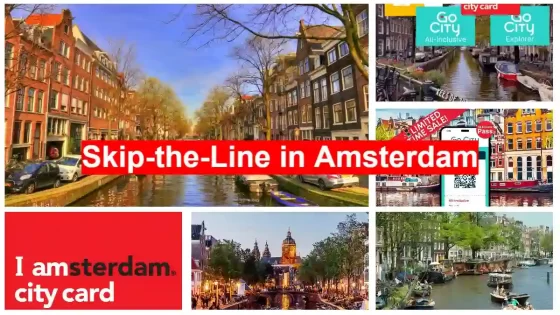
If you’re wondering how to save money in Amsterdam as a first time visitor, your best friend is the I Amsterdam City Card. It covers public transport and entry to over 70 museums, which is a massive win for Amsterdam itinerary planning. To save on food, follow the locals to the Albert Heijn or Jumbo supermarkets for fresh “broodjes” (sandwiches) and salads to enjoy by the canal. Another great Amsterdam travel hack is to use the free GVB ferries behind Centraal Station to explore Amsterdam Noord—it’s essentially a free boat tour of the harbor. Also, look for “daghap” (daily specials) at local pubs, which provide a hearty, traditional Dutch meal for a fraction of the standard menu price. Utilizing these Amsterdam local tips ensures you can enjoy the city’s luxury without the luxury price tag.
Bikes Rule the City (And Tourists Often Underestimate It)
Is biking in Amsterdam dangerous for tourists
If you are asking is biking in Amsterdam dangerous for tourists, the answer depends entirely on your confidence and your willingness to follow the unwritten rules. Technically, the Netherlands is the safest country in the world for cyclists due to its incredible infrastructure, but Amsterdam is the “varsity level” of that system. For a first-timer, the sheer volume of bike traffic can feel like being tossed into a beehive. It isn’t dangerous because of cars—it is dangerous because of the high expectations other cyclists have of you. They expect you to be predictable. If you wobble, stop suddenly to take a photo of a canal, or fail to signal, you become a hazard. I often suggest that if you haven’t been on a bike in years, Amsterdam‘s city center during rush hour is not the place to “relearn.” However, if you stick to the quieter parks like the Vondelpark, it is a beautiful and safe Amsterdam travel experience.
How bike lanes work in Amsterdam for beginners
Understanding how bike lanes work in Amsterdam for beginners is the difference between a great day and a stressful one. Look for the red-painted asphalt; this is the sacred territory of the cyclist. These lanes often have their own traffic lights—smaller versions of car lights with a little bicycle icon. One of the most important Amsterdam travel essentials is knowing about “Shark’s Teeth” (haaientanden). These are white triangles painted on the ground at intersections; if the points are facing you, it means you must yield to the crossing traffic. Also, remember that bike lanes are usually one-way unless marked otherwise. If you find yourself on a “Fietsstraat” (Bike Street), cars are allowed but they are “guests,” meaning they must stay behind the cyclists. Mastering these Amsterdam transportation guide basics will help you blend in and keep the flow of the city moving.
Common bike mistakes tourists make in Amsterdam
The list of common bike mistakes tourists make in Amsterdam is topped by the “tram track trap.” Amsterdam‘s tram rails are exactly the same width as a standard bike tire. If you cross them at a shallow angle, your wheel will get stuck, and you will go down. Always cross tracks at a sharp 90-degree angle. Another huge mistake is biking side-by-side in a group of four and blocking the entire lane; the Dutch value efficiency, and they will not hesitate to give you a sharp ring of their bell to move you over. Many people also forget to turn on their lights at night. Not only is this a safety risk, but in 2026, the police are very active in issuing fines for “dark riding.” Finally, never—and I mean never—leave your bike unlocked for “just a second.” Bike theft is a professional sport here; always use two locks and attach the frame to something immovable.
Should tourists rent a bike in Amsterdam
So, should tourists rent a bike in Amsterdam? If you want to feel the true pulse of the city, yes, you absolutely should. There is nothing quite like the feeling of gliding over a bridge as the sun sets over the Keizersgracht. However, I recommend booking a guided bike tour for your first day. It allows you to learn the traffic patterns with a professional guide before you venture out on your own. If you do decide to go solo, a standard city bike rental is usually the most cost-effective way to get around. Just remember: if you feel overwhelmed, it is perfectly okay to hop off and walk your bike on the sidewalk until you reach a quieter area. That bit of Amsterdam travel advice has saved many a tourist from a stressful afternoon.
Walking in Amsterdam Is Not as Simple as You Think
Is Amsterdam walkable for first time visitors
When people ask is Amsterdam walkable for first time visitors, my answer is usually a cautious “yes, but with a warning.” On a map, the city looks compact and perfectly circular, which leads many to believe they can easily cover the entire Canal Belt on foot in a single morning. While the distances are manageable, the terrain is anything but flat and predictable. The sidewalks are often extremely narrow, tilted toward the water, or paved with uneven, historic cobblestones that have seen centuries of wear. This is a vital part of Amsterdam travel logistics that people miss: walking here is an active sport. By the end of a day of Amsterdam sightseeing tips, your feet will feel every single one of those charming stones. If you have mobility issues or are pushing a stroller, the high curbs and narrow passages can make the city feel much less “walkable” than advertised.
How to navigate canals and streets in Amsterdam
Learning how to navigate canals and streets in Amsterdam requires a bit of mental geometry. The city is laid out in a “Spinnenweb” (spiderweb) pattern. The three main canals—Herengracht, Keizersgracht, and Prinsengracht—run parallel to each other in a series of horse-shoe shapes. If you are trying to find a specific address, pay close attention to whether the house number is on the “even” or “odd” side, as they are often separated by the water itself. A common Amsterdam travel experience is seeing your destination just 20 meters away across the water, only to realize the nearest bridge is a five-minute walk in the wrong direction. My best Amsterdam local tips for navigation is to use the massive towers of the “Oude Kerk” or the “Westerkerk” as North Stars. If you keep the landmarks in sight, you’ll always have a general sense of where the center lies.
Why google maps can be confusing in Amsterdam
You might find yourself wondering why google maps can be confusing in Amsterdam, and the reason is twofold: signal interference and street naming conventions. The tall, narrow canal houses can sometimes cause GPS “drift,” making your blue dot jump across the canal or onto a parallel street. Furthermore, many streets change names every few blocks. One minute you are on a “Straat,” and the next, it has become a “Plein” or a “Kade” without any obvious transition. This is where Amsterdam tourist mistakes happen—blindly following a digital map can lead you directly into a bike lane or a dead-end alley. For a more reliable Amsterdam city guide experience, I always recommend downloading offline maps or, better yet, taking a guided walking tour to learn the landmarks that don’t rely on a satellite signal.
Best walking strategy for tourists in Amsterdam
The best walking strategy for tourists in Amsterdam is to embrace the “stop and look” method. Because the streets are shared by bikes, trams, and cars, you cannot walk with your head in your phone or looking up at the architecture while moving. If you want to take a photo of the Jordaan, step completely off the path and against a building wall. To maximize your Amsterdam itinerary planning, try to group your walks by “rings.” Spend one morning exploring the Prinsengracht and its “Nine Streets” (De Negen Straatjes) for shopping, then save the outer neighborhoods like De Pijp for a different day. This prevents “canal fatigue” and keeps the experience fresh. Always wear shoes with significant cushioning—this is not the city for thin-soled fashion flats or high heels. Comfort is a core Amsterdam travel essentials component that will dictate how much of the city you actually get to enjoy.
Public Transport in Amsterdam (What Tourists Get Wrong)
How to use public transport in Amsterdam as a tourist
Understanding how to use public transport in Amsterdam as a tourist is surprisingly straightforward once you grasp the “check-in, check-out” culture. The backbone of the city is the GVB network, which operates the iconic blue-and-white trams, buses, and the metro. In 2026, the system is almost entirely digital. To board any vehicle, you simply tap your contactless debit card, credit card, or smartphone on the yellow card readers at the doors. The most critical piece of Amsterdam travel advice I can give you is this: you must tap out when you leave. If you forget to “check out,” the system may charge you a maximum fare or a penalty fee, which is a frustrating way to increase your Amsterdam travel costs. The trams are generally the most scenic way to travel, especially lines 2 and 12, which pass by many major landmarks in the Netherlands.
Do tourists need ov chipkaart in Amsterdam
A very common question is: do tourists need ov chipkaart in Amsterdam? In years past, this plastic smart card was the gold standard, but for most visitors in 2026, the answer is no. Thanks to the “OVpay” system, your standard bank card works exactly the same way without the €7.50 non-refundable card fee. However, if you are planning an extensive Amsterdam travel experience that involves traveling outside the city to places like Haarlem or Zaanstad, or if you want to load specific multi-day products, a “disposable” 1-day to 7-day GVB pass might be more economical. For those focusing on Amsterdam itinerary planning, the only reason to get a personal OV-chipkaart is if you are staying for months or qualify for specific age-related discounts. For a standard 4-day trip, sticking to your phone or a multi-day GVB ticket GVB Amsterdam public transport is the smartest Amsterdam travel hack.
Tram vs bus vs metro in Amsterdam which is better
When debating tram vs bus vs metro in Amsterdam which is better, it really depends on your destination. The trams are the “pulse” of the city; they go everywhere in the historic center and are perfect for Amsterdam sightseeing tips because you can see the canals as you move. The metro, on the other hand, is much faster but stays underground in the central areas. It is the best choice if you are staying in neighborhoods like Amsterdam Noord or Zuidoost and need to get to Centraal Station quickly. Buses are primarily used to reach the outer suburbs or for night travel after the trams stop running around midnight. For a first-timer, the tram is almost always the winner for charm and ease of use. If you’re ever unsure about a route, the “9292” app or Google Maps are excellent tools for Amsterdam transportation guide updates in real-time.
Common transport mistakes tourists make in Amsterdam
The list of common transport mistakes tourists make in Amsterdam starts with boarding the tram through the wrong door. Most trams have specific entrance and exit doors; the entrance is usually at the front (by the driver) or a double-door toward the back where a conductor sits in a little booth. If you try to push through an “exit only” door, you will likely face the famous Dutch directness from departing passengers. Another mistake is forgetting that Amsterdam Centraal is a massive hub. There are two different bus stations (one at the front, one at the back) and multiple tram platforms. Always check the digital signs. Finally, many tourists don’t realize that the ferries behind the station are completely free. You don’t need to tap your card or buy a ticket; just walk on and enjoy a mini-voyage across the IJ river. Avoiding these Amsterdam tourist mistakes will save you time and keep your stress levels low as you navigate the city.
Accommodation Mistakes First-Time Visitors Make
Where not to stay in Amsterdam for first time visitors
If you are a first-time traveler, knowing where not to stay in Amsterdam for first time visitors is just as important as finding a good hotel. I strongly advise against booking accommodation in the heart of the Red Light District (De Wallen) or directly on the Damrak. While it might seem convenient to be “in the middle of it all,” these areas are incredibly noisy until the early hours of the morning, and the hotels are often housed in the oldest, most cramped buildings in the city. You might find yourself lugging a 20kg suitcase up a staircase that is more like a ladder—a classic Amsterdam tourist mistake. Additionally, avoid staying too far into Amsterdam-Zuidoost if you want to experience the historic charm of the city; while hotels there are cheaper, it is a business-heavy district that lacks the canal-side magic and requires a significant commute.
Best areas to stay in Amsterdam for tourists explained
The best areas to stay in Amsterdam for tourists explained usually come down to three top contenders: the Jordaan, De Pijp, and the Museum Quarter (Oud-Zuid). The Jordaan is the “postcard” version of Amsterdam, full of narrow streets and independent boutiques; it’s perfect for those who want a quiet, romantic Amsterdam travel experience. De Pijp is the “cool” neighborhood, home to the Albert Cuyp Market and a fantastic brunch scene, making it ideal for younger travelers or foodies. For those focusing on high culture, the Museum Quarter offers broader streets, high-end shopping on the PC Hooftstraat, and immediate access to the biggest galleries. Staying in these neighborhoods ensures you are close enough to the action to walk, but far enough to get a good night’s sleep.
Is staying in Amsterdam city center worth it
Many people ask, is staying in Amsterdam city center worth it? In 2026, the answer depends on your budget and your tolerance for crowds. Staying in the Grachtengordel (the main canal ring) is undeniably magical; waking up to the sound of bells from the Westerkerk is a highlight of any Amsterdam vacation planning. However, you will pay a significant premium for the privilege. If you find a hotel in the Centrum that fits your budget, go for it—but be aware that space is at an absolute minimum. Rooms are often small, and elevators are a luxury, not a guarantee. If you prefer modern amenities like air conditioning and spacious bathrooms, you might actually find better value just a 10-minute tram ride away from the center.
How to avoid overpriced hotels in Amsterdam
To learn how to avoid overpriced hotels in Amsterdam, you have to understand the tax structure of the Netherlands. In 2026, the city has a record-high tourist tax of 12.5%, and the VAT on accommodation has recently increased to 21%. This means nearly a third of your hotel bill goes to taxes! One of the best Amsterdam travel hacks is to look for “Aparthotels” or guesthouses slightly outside the center, such as in Amsterdam West or Amsterdam Oost. These areas offer a more authentic local vibe and much more “room for your Euro.” Also, consider staying in nearby cities like Haarlem or Zaandam; they are only 15 minutes by train from Amsterdam Centraal, and hotel prices can be up to 40% lower. This is a smart Amsterdam travel strategy that allows you to spend your savings on world-class dining and experiences instead of just a place to sleep.
Amsterdam Attractions Are More Time-Consuming Than Expected
How long do Amsterdam attractions really take
When you are planning your day in the Netherlands, it is easy to look at a list of sites and think you can “pop in and out” of three or four major landmarks. However, how long do Amsterdam attractions really take in practice? In 2026, with heightened security protocols and strict capacity limits, most major sites require a significant time investment. A “quick” visit to a top-tier museum usually lasts a minimum of two to three hours. When you factor in arriving 15 minutes before your time slot, clearing security, and finding your way through the often-labyrinthine historic buildings, a single attraction can easily consume half of your daylight hours. This is one of the most important Amsterdam travel essentials to understand: the city rewards depth over speed. If you try to rush, you’ll spend more time in transit and security lines than actually seeing the art.
Waiting times at popular Amsterdam attractions explained
Even if you have pre-booked every ticket, waiting times at popular Amsterdam attractions explained can still be a shock. In 2026, the Rijksmuseum entry wait can still reach 45 to 60 minutes during peak season (March to May and summer) just for the security screening and ticket validation. The Van Gogh Museum is similarly tight, with lines stretching across the Museumplein. If you haven’t booked in advance, the “waiting time” is effectively infinite, as same-day tickets are almost non-existent for the top spots. My best Amsterdam travel hacks for avoiding these bottlenecks is to choose the earliest possible time slot (9:00 AM) or the last entry of the day. Late afternoon visits often see shorter security lines, and the galleries start to thin out as families head to dinner.
Is Anne Frank House worth it time planning guide
For many, the Anne Frank House is the emotional centerpiece of their Amsterdam travel experience. But you might ask: is anne frank house worth it time planning guide? The answer is an absolute yes, but it requires the most rigid planning of your entire trip. Tickets are released only on the official website every Tuesday for six weeks in advance, and they sell out in minutes. A standard visit takes about one hour, but I highly recommend booking the ticket that includes the 30-minute introductory program. This provides vital historical context and makes the subsequent walk through the “Secret Annex” far more impactful. Including the intro and the walk-through, you should budget at least two hours for the entire experience. It is a somber, powerful experience that defines visiting Amsterdam for the first time for many travelers.
How to plan attraction visits in Amsterdam efficiently
To learn how to plan attraction visits in Amsterdam efficiently, you must embrace the “geographic grouping” strategy. Don’t book the Anne Frank House in the morning and the Rijksmuseum in the afternoon; they are on opposite sides of the central canal ring. Instead, group your Amsterdam itinerary planning by district. Spend one day in the Museum Quarter for the big art galleries, and another in the Jordaan for the Anne Frank House and the Westerkerk. This minimizes your travel time and allows you to actually enjoy the neighborhood atmosphere in between. Another smart Amsterdam local tips is to alternate “heavy” indoor attractions with outdoor activities like a canal cruise Amsterdam canal cruise with unlimited drinks or a stroll through Vondelpark. This prevents “museum fatigue” and keeps your energy high for the duration of your trip.
Museums in Amsterdam (Expectation vs Reality)
Best museums in Amsterdam for first time visitors
When I think about the best museums in Amsterdam for first time visitors, the “Big Three” at Museumplein always lead the conversation. You have the Rijksmuseum, which is the national sanctuary of Dutch art; the Van Gogh Museum, housing the world’s largest collection of his emotional masterpieces; and the Stedelijk, which is a paradise for modern and contemporary art lovers. However, for a truly well-rounded Amsterdam travel experience in 2026, I recommend looking beyond the famous names. The Moco Museum is fantastic if you love street art and creators like Banksy, while the Rembrandt House Museum—the artist’s actual former home—offers a much more intimate look at the Golden Age than a massive gallery ever could. If you are traveling with family, the NEMO Science Museum is an interactive marvel that looks like a giant green ship rising from the harbor. These diverse options are part of why Amsterdam is easy to visit for first timers—there is quite literally a museum for every possible niche interest.
How much time to spend in rijksmuseum and van gogh museum
A major point of Amsterdam expectations vs reality is the sheer scale of these institutions. When considering how much time to spend in rijksmuseum and van gogh museum, you have to be realistic about “museum fatigue.” The Rijksmuseum is gargantuan; it houses over 8,000 objects across 80 galleries. To see the highlights like Rembrandt’s The Night Watch and Vermeer’s The Milkmaid, you need a minimum of three hours. If you want to dive into the ship models and the breathtaking research library, plan for five. In contrast, the Van Gogh Museum is more focused but incredibly dense with information. Most visitors spend between 1.5 to 2.5 hours there. One of my favorite Amsterdam travel hacks is to avoid doing both on the same day. If you must, visit one at opening and the other in the late afternoon, with a long, sun-drenched lunch in the Museumplein grass in between to reset your brain.
Are Amsterdam museums worth visiting for everyone
You might wonder, are Amsterdam museums worth visiting for everyone, especially if you aren’t a traditional “art person.” In Amsterdam, the answer is almost always yes because the museums here are masterclasses in storytelling. They don’t just hang pictures; they create immersive environments. For example, the Maritime Museum (Het Scheepvaartmuseum) features a full-scale replica of an 18th-century cargo ship that you can explore, which is thrilling for both kids and adults. The Our Lord in the Attic museum is a “secret” church hidden inside a 17th-century canal house—it’s a piece of living history that feels more like a time-traveling adventure than a stale exhibit. These unique Amsterdam attractions guide entries ensure that even the most museum-skeptical traveler finds something that resonates with them.
How to skip lines in Amsterdam museums
In the busy 2026 season, knowing how to skip lines in Amsterdam museums is the ultimate pro move. First, understand that “skipping the line” usually means skipping the ticket-buying line, not the security line. The most effective way to do this is by purchasing your tickets online well in advance or using the I Amsterdam City Card. This card allows you to bypass the ticket booths at most major sites, including the Rijksmuseum and Stedelijk. Another of my top Amsterdam local tips is to download the museum apps before you go; the Rijksmuseum app, for instance, has incredible free audio tours that allow you to skip the queue for renting physical audio guides at the desk. By arriving with your digital ticket ready on your phone, you can walk straight to the security entrance, saving you up to an hour of standing on the pavement.
Amsterdam Is Not Just About Coffee Shops and Red Light District
What Amsterdam is really known for beyond stereotypes
When people think of the Netherlands, the mind often jumps to neon lights and hazy windows, but what Amsterdam is really known for beyond stereotypes is a sophisticated, design-forward culture and a deep-rooted history of global trade. Beyond the “forbidden” thrills, this is a city of world-class innovation, where the historic canal houses sit alongside cutting-edge modern architecture in Amsterdam Noord. It is a city of flowers—the Bloemenmarkt being just a hint of the horticultural obsession that defines the country. Most importantly, it is known for the concept of “Polder Model” cooperation; the city is a testament to human ingenuity in reclaiming land from the sea. This engineering marvel is a much more significant part of the Amsterdam travel experience than many first-timers realize.
Is Red Light District safe for tourists in Amsterdam
One of the most frequent questions I hear is, is red light district safe for tourists in Amsterdam? In 2026, the Red Light District (De Wallen) is actually one of the most heavily policed and surveilled areas in the city, making it quite safe in terms of violent crime. However, the “safety” concerns are usually related to pickpockets and aggressive street dealers who target distracted tourists. The biggest risk here is not physical harm, but losing your wallet while you are looking up at the historic architecture or the windows. It is important to remember that this is a residential neighborhood where people live and raise families. The local government has implemented strict “no-alcohol” zones and crowd-control measures to keep the area manageable. As long as you stay alert and respect the “no photography” rules, you can explore the area without fear, though it is often more crowded and chaotic than it is dangerous.
Coffee shops in Amsterdam what tourists misunderstand
There is a huge amount that coffee shops in Amsterdam what tourists misunderstand, starting with the name itself. As I mentioned earlier, a “Coffeeshop” is a licensed cannabis dispensary, not a cafe. One of the biggest Amsterdam tourist mistakes is assuming that these establishments are lawless zones. In reality, they are strictly regulated: you must be 18+, you cannot buy alcohol on the premises, and there is a 5-gram limit per transaction. Another misunderstanding is the potency; the cannabis in the Netherlands is often much stronger than what visitors are used to back home. If you choose to partake, the “start low and go slow” rule is the best Amsterdam travel advice I can offer. Furthermore, smoking tobacco inside these shops is actually illegal—you can only smoke pure cannabis or herbal mixes, a rule that catches many regular smokers off guard.
Alternative experiences in Amsterdam for first timers
For those looking for alternative experiences in Amsterdam for first timers, I always suggest heading away from the neon glow of the center. Consider visiting the NDSM Wharf via the free ferry; it’s a former shipyard turned into a vibrant arts community with massive murals and industrial-chic cafes. Another fantastic option is a “Plastic Whale” canal tour, where you can help fish plastic out of the water while sightseeing—a truly modern and sustainable Amsterdam travel experience. If you want a taste of local life, head to the Westergas complex, a repurposed gasworks that now hosts independent cinemas, breweries, and markets. For a more structured alternative, booking an “Amsterdam Hidden Gems” tour can reveal the secret gardens (hofjes) and tucked-away courtyards that most tourists walk right past without noticing.
Weather in Amsterdam Can Ruin Your Plans (If You’re Not Ready)
What is Amsterdam weather really like year round
If you are trying to picture what is Amsterdam weather really like year round, imagine a coastal climate that is perpetually undecided. In 2026, the Netherlands continues to experience a maritime influence that keeps temperatures relatively mild—rarely freezing for long in winter and rarely scorching in summer—but the trade-off is a consistent humidity and wind. Spring (March to May) is arguably the most famous season, as the city wakes up with temperatures ranging from 8 to 17 degrees Celsius. Summer (June to August) brings the best “outdoor” vibes with averages around 20 degrees Celsius, though we occasionally see heatwaves that make the lack of air conditioning in historic hotels a real challenge. Autumn is a visual masterpiece of changing leaves along the canals, but it is also the windiest time, while winter is gray and “gezellig” (cozy), defined by the Amsterdam Light Festival rather than snow.
How rain affects sightseeing in Amsterdam
A major part of Amsterdam expectations vs reality is realizing that “rain” here is rarely a day-long deluge; instead, it is a series of passing showers that locals call “liquid sunshine.” However, how rain affects sightseeing in Amsterdam can be significant if you have planned a day of cycling. Wet cobblestones are incredibly slippery, and biking in a downpour is a quick way to end up soaked and miserable. The good news is that Amsterdam is a city built for bad weather. When the clouds open up, the city’s tram system becomes your best friend, allowing you to hop between museums with minimal exposure. Most canal boat tours are glass-topped and heated, meaning you can still sightsee comfortably while staying dry. Rain is actually the perfect excuse to duck into a “Bruin Café” for a warm slice of Dutch apple pie.
What to pack for Amsterdam weather any season
Knowing what to pack for Amsterdam weather any season starts with one word: layers. Even in July, a sudden breeze off the IJ river can make it feel ten degrees colder than it looks. For your Amsterdam travel essentials, I always recommend a high-quality, lightweight waterproof jacket with a hood; umbrellas are often useless here because the wind will simply flip them inside out. In spring and fall, ankle boots with good grip are a must for those wet, uneven streets. If you are visiting Amsterdam for the first time in winter, don’t forget a warm scarf and gloves—the humidity makes the cold feel “sharper” than dry cold. A smart Amsterdam travel hack is to carry a small, waterproof day bag or a rain cover for your backpack to keep your camera and external batteries dry during those unexpected transitions between sunshine and showers.
Best time to visit Amsterdam for good weather
If you are searching for the best time to visit Amsterdam for good weather, the consensus for 2026 points toward late May and June or the month of September. During these windows, you get the highest probability of blue skies and comfortable walking temperatures without the intense humidity of mid-summer or the biting winds of early spring. If your heart is set on seeing the tulips at Keukenhof, you’ll need to brave the “variable” weather of April, where you might experience four seasons in a single afternoon. For those who prioritize photography and outdoor cafes, June offers the longest daylight hours—sometimes the sun doesn’t fully set until 10:30 PM! This allows for an incredible Amsterdam travel experience where the “golden hour” seems to last forever, making your Amsterdam itinerary planning feel much more relaxed.
Food Culture in Amsterdam (What Tourists Don’t Expect)
What to eat in Amsterdam first time visitor guide
If you are looking for a what to eat in Amsterdam first time visitor guide, you have to prepare your palate for a mix of deep-fried delights, pancake towers, and some of the world’s best international influences. The most iconic snack you must try is bitterballen—savory, breaded beef or veal ragout balls that are deep-fried until they reach a golden crunch. They are almost always served with a sharp mustard and are the quintessential partner to a cold local beer. For a sweeter Amsterdam travel experience, nothing beats a warm stroopwafel—two thin waffle layers bonded by gooey caramel. While you can find them in every grocery store, seeking out a fresh one at a street market like the Albert Cuyp Market is a life-changing moment for any foodie.
Is food expensive in Amsterdam for tourists
You might find yourself asking, is food expensive in Amsterdam for tourists? In 2026, the city’s dining scene reflects its status as a top European capital. For a mid-range restaurant, you should expect to pay between €30 and €55 per person for a main course and a drink. High-end dining can easily exceed €100. However, Amsterdam travel costs for food don’t have to break the bank. You can find “eetcafés” where a hearty meal costs around €20, or grab incredible street food like a cone of thick-cut Dutch fries (patat) with a dollop of mayo for about €5. One of my favorite Amsterdam travel hacks is to visit the Foodhallen Amsterdam food tour, an indoor food market in a former tram depot where you can sample dozens of high-quality dishes for moderate prices.
Traditional dutch food tourists should try
When it comes to traditional dutch food tourists should try, you have to look beyond the snacks. For a true taste of the Netherlands, seek out stamppot—a comforting mash of potatoes and vegetables (like kale or carrots) served with a large smoked sausage. If you’re feeling adventurous, head to a “haringhandel” (herring cart) for raw herring served with onions and pickles. The traditional way to eat it is by holding the tail and tilting your head back, though most tourists prefer it in a “broodje” (sandwich). Another must is a Dutch pancake (pannenkoek), which is much larger and thinner than the American version, often topped with savory items like bacon and cheese. Exploring these Amsterdam local tips for dining will give you a much deeper connection to the local culture.
Tourist trap restaurants in Amsterdam to avoid
Knowing which tourist trap restaurants in Amsterdam to avoid can save you both money and a mediocre meal. As a general rule, avoid any place directly on Dam Square, the Damrak, or the Leidseplein that features a laminated menu with photos of the food. These spots often use “proppers”—staff standing outside trying to pull you in—which is a major red flag in the Netherlands. Real local gems don’t need to hunt for customers on the sidewalk. Also, be wary of the “Argentinian Steakhouses” that seem to occupy every second storefront in the center; they are almost exclusively aimed at tourists and rarely offer authentic quality. Instead, walk just two or three blocks away from the main tourist hubs into the side streets of the Jordaan or De Pijp for a significantly better and more honest Amsterdam travel experience.
Safety in Amsterdam (Reality vs Tourist Perception)
Is Amsterdam safe for tourists at night
One of the most common questions I hear from travelers is: is Amsterdam safe for tourists at night? In 2026, the reality is that Amsterdam remains one of the safest capital cities in Europe, with violent crime rates significantly lower than in many other major global hubs. The “perception” of danger often comes from the neon-lit chaos of the Red Light District, but even there, the presence of police and street wardens is high. You can comfortably walk through most central neighborhoods like the Jordaan or De Pijp well after midnight without concern. However, safety is relative to your surroundings; I always tell first-timers to avoid poorly lit, isolated canal paths late at night, not because of “monsters,” but because the lack of railings makes them a tripping hazard in the dark. As long as you stay on the main, well-lit streets and use the reliable night bus or tram system, your Amsterdam travel experience will be remarkably secure.
Common scams in Amsterdam tourists should know
While physical safety is high, you should be aware of the common scams in Amsterdam tourists should know that target your wallet rather than your person. One of the most prevalent in 2026 is the “fake police officer” scam, where individuals in plain clothes show a fake badge and ask to “inspect” your wallet for counterfeit bills or drugs. Real Dutch police will never ask to handle your cash on the street. Another classic trap involves street dealers in the Centrum offering “extra-strong” substances that are usually nothing more than crushed aspirin or dried herbs. You might also encounter the “broken camera” trick, where someone asks you to take their photo, then drops the camera and blames you, demanding cash for repairs. Staying alert to these Amsterdam tourist mistakes in judgment is the best way to protect your budget.
Areas to avoid in Amsterdam for first time visitors
When discussing areas to avoid in Amsterdam for first time visitors, it is less about “dangerous” zones and more about “low-value” or high-stress zones. I usually recommend avoiding the immediate area around Amsterdam Centraal and the Damrak late at night; while not dangerous, it attracts large, rowdy crowds and persistent pickpocketing teams who thrive on the “station-arrival” confusion. Some parts of Amsterdam-Zuidoost (like near the Bijlmer station) have a reputation for being a bit “rougher” around the edges, though they have seen massive revitalization in recent years. For a first-timer, there is rarely a reason to wander deep into these residential suburbs after dark. Stick to the “Grachtengordel” and the lively outer rings for the best balance of safety and atmosphere.
How to stay safe in Amsterdam as a tourist
Learning how to stay safe in Amsterdam as a tourist is mostly about practicing “urban common sense.” First, always keep your bag zipped and worn in front of you when you are in crowded areas like the Bloemenmarkt or on the Tram 2—this is where pickpockets are most active. Second, never buy anything from people whispering to you on the street; if it’s not in a licensed shop, it’s likely a scam or illegal. For Amsterdam travel planning, I highly suggest keeping a digital copy of your passport on your phone but leaving the physical document in your hotel safe. Most importantly, be “bike-aware.” The most common “injury” for tourists in Amsterdam isn’t from crime; it’s being hit by a bicycle because they stepped into a bike lane without looking. Following these Amsterdam safety tips will ensure your trip is remembered for the beautiful canals, not a visit to the local precinct or hospital.
Day Trips From Amsterdam (What Tourists Don’t Plan Properly)
Are day trips from Amsterdam worth it for first timers
When you look at a map of the Netherlands, you realize how compact the country truly is, which leads many to ask: are day trips from Amsterdam worth it for first timers? If you have more than three days in the city, the answer is a resounding yes. While Amsterdam is the cultural heart, the “real” Dutch countryside and smaller historic cities offer a completely different pace. Stepping out of the city allows you to see the iconic windmills, medieval architecture, and vast tulip fields that define the Netherlands beyond the canal ring. A day trip provides a much-needed breath of fresh air and a deeper understanding of the regional diversity, making your Amsterdam travel experience feel truly complete.
Best day trips from Amsterdam by train
The beauty of Amsterdam travel logistics is that the national rail system (NS) is incredibly efficient. Some of the best day trips from Amsterdam by train include Haarlem, which is just 15 minutes away and offers a “mini-Amsterdam” feel with fewer crowds and stunning hidden courtyards. For history buffs, Utrecht (25 minutes) features unique two-level canals and the magnificent Dom Tower. If you want to see the famous blue-and-white pottery, Delft is a picturesque 1-hour ride away. For those interested in modern architecture and a gritty, cool vibe, Rotterdam is easily reachable in 40 minutes via the Intercity Direct. These locations are all perfect examples of why Amsterdam is easy to visit for first timers; you don’t need to rent a car to see the best of the country.
How much time you need for zaanse schans or giethoorn
A common Amsterdam tourist mistake is underestimating how much time you need for zaanse schans or giethoorn. Zaanse Schans, with its historic windmills and green wooden houses, is very close to the city (about 20 minutes by train). You can realistically explore the main sights in 3 to 4 hours. However, Giethoorn—the “Venice of the North”—is a different story. It is located in the north of the Netherlands and takes about 2.5 hours to reach each way via a combination of train and bus. If you want to visit Giethoorn, you must dedicate an entire day (at least 9 to 10 hours) to the trip. For a smoother experience, many people prefer booking a structured day tour Giethoorn day trip from Amsterdam to handle the complex transport links, especially since boat rentals in the village sell out fast.
Can you do day trips with limited time in Amsterdam
If you’re wondering can you do day trips with limited time in Amsterdam, the answer is yes, provided you choose the “near-ring” destinations. If you only have a few hours to spare, head to Zandvoort or Bloemendaal aan Zee; these are the local beaches and are only 30 minutes away by train. You can have lunch by the North Sea and be back in the city for a canal-side dinner. Another quick option is Muiden, home to the fairytale Muiderslot Castle, which is easily accessible and takes about half a day. To maximize your Amsterdam itinerary planning, always check the “NS” app for real-time train schedules. For those who want to see as much as possible without the stress of navigating, a “windmills and countryside” guided tour Amsterdam zaanse schans volendam and marken tour is a smart Amsterdam travel hack that packs three major sites into a single, well-organized afternoon.
Common Mistakes First-Time Visitors Make in Amsterdam
Biggest mistakes tourists make in Amsterdam
Reflecting on the biggest mistakes tourists make in Amsterdam, the one that consistently tops the list is the “Bike Lane Blunder.” I cannot count how many times I’ve seen a traveler step onto a red-paved path to snap a photo, only to be met with a chorus of bells and a few choice words in Dutch. In 2026, the bike lanes are busier than ever, and failing to realize they are high-speed thoroughfares is a major safety risk. Another massive error is treating the entire city like a theme park. Amsterdam is a living, breathing residential hub; people work in those canal houses and raise children in the Jordaan. Assuming that the “anything goes” reputation applies to every street corner is a quick way to alienate the locals. Lastly, many visitors fall into the “Damrak Trap,” spending all their time and money in the neon-soaked corridor between the station and Dam Square, which is arguably the least “Dutch” part of the entire city.
Overplanning vs underplanning Amsterdam itinerary
When it comes to your Amsterdam itinerary planning, there is a delicate balance between overplanning vs underplanning. Overplanners often try to squeeze the Rijksmuseum, Anne Frank House, and a day trip to Zaanse Schans into a single 48-hour window. This leads to “museum burnout” and a total lack of appreciation for the city’s quiet, soulful side. On the other hand, underplanners are the ones I see standing outside the Van Gogh Museum with a look of despair because they didn’t realize tickets sell out weeks in advance. The smart Amsterdam travel strategy is to book one “anchor” attraction per day and leave the rest of your time open for wandering. If you “act like you’re coming back,” you’ll find that the unplanned moments—like a random jazz session in a brown café or a sunset by a quiet bridge—become your favorite memories.
Trying to see too much in one day in Amsterdam
I’ve witnessed many travelers trying to see too much in one day in Amsterdam, and they all share the same look of exhaustion by 4:00 PM. Amsterdam’s beauty is in the details: the leaning houses, the flower boxes, and the reflection of the light on the water. If you are constantly rushing to catch a train or make a time slot, you miss the very essence of the city. In 2026, with the increased crowds, transport and security logistics eat up more of your day than you think. A “fast” move from the Museum Quarter to Amsterdam Noord can take 40 minutes when you factor in waiting for the ferry. My best Amsterdam travel advice is to pick one neighborhood and really “live” in it for the day. Quality over quantity is the secret to a successful Amsterdam travel experience.
Ignoring local rules and etiquette in Amsterdam
Finally, ignoring local rules and etiquette in Amsterdam is a mistake that can lead to both social friction and actual fines. For instance, the Dutch value their personal space and a quiet environment on public transport; having a loud phone conversation on a tram is considered extremely rude. In the Red Light District, the “no photography” rule is strictly enforced by both authorities and workers—disrespecting this is a non-negotiable Amsterdam tourist mistake. There is also a specific etiquette for tipping; while not mandatory like in the US, it is customary in 2026 to round up the bill or leave about 5–10% for good service. Small gestures, like saying “Hallo” or “Dank u wel” (thank you), go a long way in a culture that values directness and mutual respect. Following these Amsterdam cultural tips ensures you are welcomed as a guest rather than just another intrusive tourist.
Smart Amsterdam Travel Strategy for First-Time Visitors
How to plan a perfect Amsterdam trip step by step
To learn how to plan a perfect Amsterdam trip step by step, you must treat your logistics with the same precision the Dutch treat their water management. First, secure your flights and accommodation at least four to six months in advance, especially if you are visiting during the peak tulip season in 2026. Second, the moment your hotel is booked, set calendar alerts for your “anchor” attractions. The Anne Frank House and the Van Gogh Museum are non-negotiable; if you don’t book them the day tickets are released, you likely won’t see them. Third, download the essential apps: GVB for local transport, NS for trains, and “9292” for door-to-door route planning. Finally, build your Amsterdam itinerary planning around one major morning activity, a flexible afternoon for neighborhood exploration, and an evening that celebrates the city’s glowing canals. This structured yet breathable approach is the hallmark of a smart travel strategy.
Ideal itinerary for first time visitors in Amsterdam
An ideal itinerary for first time visitors in Amsterdam usually spans three well-balanced days. On Day 1, start with a morning walking tour of the Centrum and the Jordaan, followed by an afternoon visit to the Anne Frank House. End your first day with a twilight canal cruise to see the city’s bridges lit up. On Day 2, head to the Museumplein early for the Rijksmuseum, spend your lunch hour in the vibrant De Pijp neighborhood exploring the Albert Cuyp Market, and unwind in the Vondelpark. On Day 3, take a morning ferry to Amsterdam Noord to see the A’DAM Lookout, then spend your final afternoon in the “Nine Streets” for some high-quality souvenir shopping. This plan ensures you hit every major landmark without spending your entire vacation in a queue.
How many days to spend in Amsterdam first visit
When debating how many days to spend in Amsterdam first visit, the “sweet spot” in 2026 is four days. Three days is the absolute minimum to see the city’s core highlights, but a fourth day is what transforms a “tourist trek” into a “travel experience.” That extra day allows you to venture outside the city limits for a day trip to the windmills of Zaanse Schans or the historic streets of Haarlem without feeling like you are neglecting Amsterdam itself. If you only have 48 hours, you will be forced to choose between the big museums and the atmospheric neighborhoods—a choice that often leaves first-timers feeling like they missed the “soul” of the city. Giving yourself four days provides the luxury of a slow morning at a canal-side cafe, which is often where the best memories are made.
Smart travel hacks for Amsterdam tourists
Mastering a few smart travel hacks for Amsterdam tourists can drastically improve your quality of life during the trip. First, always carry a reusable water bottle; Dutch tap water is among the cleanest and best-tasting in the world, and “Water Taps” are located all over the city. Second, use the “Museum Night” trick; in 2026, many galleries stay open late on certain days, offering a much quieter and more intimate atmosphere than the midday rush. Third, if a restaurant is fully booked, check if they have “bar seating”—the Dutch often leave these spots for walk-ins, even at popular venues in De Pijp. Finally, if you find yourself overwhelmed by crowds, hop on a tram to the Plantage district; it’s a lush, green area with wider streets and the beautiful Hortus Botanicus, providing a peaceful escape just minutes from the busy center. These Amsterdam local tips help you navigate the city like a seasoned pro.
What Will Actually Surprise You in Amsterdam
Biggest takeaways for first time visitors to Amsterdam
If you take nothing else away from this Amsterdam first time visitor guide, let it be this: Amsterdam is a city that rewards the curious and the respectful. The biggest takeaway for most travelers in 2026 is that the city is far more than its “party” reputation. You will find a place that is fiercely protective of its history while being relentlessly innovative about its future. Whether it’s the solar-powered ferries crossing the IJ or the centuries-old “brown cafes” that still serve as the community’s living room, the city’s duality is its greatest strength. You’ll leave realizing that the “real” Amsterdam isn’t found in a souvenir shop on the Damrak, but in the quiet reflection of a brick house in the canal water at dusk.
What you will wish you knew before visiting Amsterdam
Looking back, most people wish they knew before visiting Amsterdam just how important it is to “slow down.” It sounds like a cliché, but in a city this dense, trying to see everything is the fastest way to see nothing. You’ll wish you knew that a rainy afternoon spent in a cozy library or a small gallery in the Jordaan is often more rewarding than standing in a two-hour security line for a “must-see” landmark. Many also regret not venturing into Amsterdam Noord sooner; the free ferry ride and the industrial-creative vibe of the NDSM Wharf offer a refreshing contrast to the medieval center. Lastly, you’ll wish you had trusted the “directness” of the locals—it’s not rudeness, it’s just the Dutch way of saving everyone time.
Quick checklist for first time Amsterdam travelers
To ensure a smooth Amsterdam travel experience, here is your “essential” quick checklist:
Booking: Did you book the Anne Frank House and Van Gogh Museum at least 6 weeks in advance?
Payments: Do you have a contactless card or phone payment set up? Remember, Amsterdam is nearly 100% cashless in 2026.
Transport: Have you downloaded the GVB and 9292 apps for real-time navigation?
Packing: Is there a lightweight, hooded waterproof jacket in your bag?
Rules: Do you know the “red lane” is for bikes only? (And stay out of it!)
Taxes: Have you budgeted an extra 12.5% for the municipal tourist tax?
Final tips for a smooth Amsterdam trip
As you wrap up your Amsterdam travel planning, remember that the best Amsterdam travel hacks aren’t about skipping lines—they’re about changing your perspective. Wake up early at least once to see the canals without the crowds; the city at 7:00 AM is a different world. If you find yourself lost, look for a bridge; they are the literal and figurative connectors of the city. Most importantly, don’t be afraid to step off the beaten path. Amsterdam is a safe, welcoming, and endlessly fascinating puzzle of a city that only reveals its best pieces to those willing to wander. Enjoy the “Gezelligheid,” respect the cyclists, and prepare to fall in love with the Netherlands.