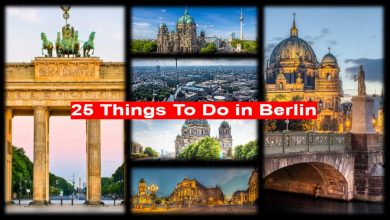
When I first stepped off the train at Hauptbahnhof, I knew that exploring the top museums in Berlin would be the highlight of my trip, but I didn’t realize just how deeply these halls of history would change my perspective on Germany. If you are planning a trip to this resilient, vibrant capital, you’ve likely realized that Berlin museums are more than just buildings filled with old artifacts; they are the beating heart of a city that has seen the very best and worst of humanity. This Berlin museum guide is designed to help you navigate a landscape that spans from ancient Mesopotamian gates to the gritty, experimental street art of the modern day. Whether you are hunting for the best museums in Berlin to satisfy a deep love for archaeology or you’re looking for must see museums Berlin offers to understand the Cold War, this city never fails to deliver.
Navigating the massive Berlin museum list can feel overwhelming, especially since there are enough galleries here to keep you busy for a lifetime. On my last visit in early 2026, I spent weeks walking through the Mitte district and beyond, discovering that the famous museums in Berlin like those on Museum Island Berlin are just the beginning. From the world-class Berlin art museums showcasing modernist masterpieces to the sobering Berlin history museums that document the rise and fall of the Wall, the variety is staggering. This guide serves as your definitive Berlin travel guide museums edition, packed with personal insights on museums to visit in Berlin, practical Berlin museum tips, and the most up-to-date information on Berlin museum passes and Berlin museum tickets.
Berlin is a city of layers, and its Berlin cultural attractions reflect a unique ability to confront the past while embracing a bold, innovative future. As you look for what museums to see in Berlin, you’ll find that the city offers everything from the grandest Berlin UNESCO museums to quirky, niche collections that you won’t find anywhere else. My goal is to provide you with the most comprehensive Berlin museum highlights, ensuring that your Berlin museum itinerary is perfectly balanced between the “heavy hitters” and the hidden gems. Join me as we dive into the Berlin top attractions museums scene, exploring the Berlin sightseeing museums that make this city a global capital of culture and one of the most rewarding Berlin must visit places museums for any traveler.
Why Berlin Is One of Europe’s Best Cities for Museums
Berlin’s Museum Scene: A Global Cultural Powerhouse
Whenever someone asks me why I keep returning to Berlin, my answer always starts with the sheer scale of its intellectual wealth. This city is a global cultural powerhouse, standing shoulder-to-shoulder with London, Paris, and New York. The top museums in Berlin represent a collection of human achievement that is almost unparalleled. When you look at the Berlin museums ranking globally, it’s not just about the quantity of objects, but the quality and the curation. The city has invested billions in its “Museumsinsel” and surrounding galleries, ensuring that Berlin museums remain at the cutting edge of conservation and visitor experience. For anyone seeking Berlin museum recommendations, the starting point is always acknowledging that the city treats its history and art as a living, breathing dialogue rather than a stagnant display.
How Berlin’s History Shapes Its Museums
You cannot understand the best museums in Berlin without understanding the scars and triumphs of Germany. Every time I walk through the city, I am reminded that Berlin was once a divided capital. This division actually led to a doubling of cultural institutions; both East and West Berlin vied for cultural supremacy during the Cold War, leading to the incredible density of Berlin art museums and Berlin history museums we see today. The collections were scattered, hidden in salt mines during WWII, and eventually reunited after 1990. This history of fragmentation and reunification gives Berlin museums a narrative depth that you simply won’t find in cities that enjoyed a more peaceful century. It makes the Berlin museum experiences here feel incredibly urgent and deeply personal.
What Makes Berlin Museums Unique Compared to Other Cities
What strikes me most as a frequent traveler is how Berlin refuses to sugarcoat its narrative. Unlike many other European capitals where museums often focus solely on national glory, the must see museums Berlin houses are often centered on self-reflection and “Vergangenheitsbewältigung” (struggle to overcome the past). This honesty makes Berlin cultural attractions unique. Furthermore, the architectural diversity is stunning. You can move from a 19th-century neoclassical palace on Museum Island Berlin to a brutalist concrete bunker housing contemporary art in a single afternoon. The Berlin museum overview is one of contrasts—where the ancient world meets the digital future, and where traditional galleries sit alongside experimental spaces in repurposed industrial warehouses.
How Many Museums Are in Berlin?
It is a common question for those planning a Berlin travel itinerary museums trip: just how many are there? The official count usually hovers around 170 to 175, but if you include small private galleries and memorial sites, that number climbs even higher. There are more museums in Berlin than there are rainy days in a typical year! This means that no matter how many times you visit, your Berlin museum list will never truly be finished. From the high-traffic Berlin tourist attractions museums to the small, neighborhood-run archives, the density of knowledge is what makes Berlin a primary destination for “culture vultures.” For those wondering how many museums are in Berlin, the answer is simply: enough to ensure you’ll never run out of things to discover.
Must-Visit Museums in Berlin (Top Highlights)
When you look for the best museums in Berlin, your journey inevitably begins at the literal and metaphorical center of the city’s cultural life. My favorite way to start any trip here is by crossing the Schlossbrücke bridge, where the air seems to thicken with the weight of centuries. This section covers the must see museums Berlin enthusiasts rave about—the heavy hitters that define the Berlin museum highlights for every traveler.
Museum Island (UNESCO World Heritage Site)
There is nowhere else on earth quite like Museum Island Berlin. This Berlin UNESCO museums site is a stunning architectural ensemble of five world-class institutions, each a temple to human civilization. During my last walk through the Kolonnadenhof in April 2026, I was struck by how the island feels like a city within a city. It’s the ultimate destination for Berlin sightseeing museums, where you can trace the history of art and archaeology from the ancient Near East all the way to the 19th century. If you only have time for one stop on your Berlin museum itinerary, this island is the undisputed winner.
Pergamon Museum – Ancient Wonders and Iconic Artifacts
The Pergamon Museum is often the first name on any Berlin museums list, and for good reason. However, a major tip for your 2026 planning: the main building is currently undergoing a massive, multi-year renovation and is completely closed to visitors. Don’t let that discourage you! You can still experience the magic at Pergamon Museum. Das Panorama. This temporary exhibition building across the street features Yadegar Asisi’s mind-blowing 360-degree panorama of the ancient city of Pergamon. Standing on the visitor platform, surrounded by the sights and sounds of 129 AD, is one of the most immersive Berlin museum experiences I’ve ever had. It’s a vital part of the top museums in Berlin circuit even while the main altar is tucked away until 2027.
Neues Museum – Home of Nefertiti
If you are looking for what museums to see in Berlin that will truly take your breath away, the Neues Museum is essential. The building itself is a masterpiece of “honest restoration,” showing the battle scars of WWII on its walls. But the star of the show is, without a doubt, the Bust of Nefertiti. Standing alone in her domed room, she is more vibrant and regal than any photo can convey. Beyond the Queen, the museum houses the “Berlin Gold Hat” and an incredible collection of prehistoric artifacts. It consistently ranks as one of the best museums in Berlin for first time visitors because of its perfect blend of archaeology and hauntingly beautiful architecture.
Altes Museum – Classical Antiquities
The Altes Museum is the grand dame of the island. With its towering Ionic columns facing the Lustgarten, it’s a landmark of Berlin architecture museums. Inside, you’ll find the collection of classical antiquities, featuring Greek, Etruscan, and Roman art. I always find a quiet moment in the central rotunda, modeled after the Pantheon in Rome, to be incredibly grounding. It’s one of the most serene Berlin cultural attractions, offering a deep dive into the foundations of Western art.
Alte Nationalgalerie – 19th-Century European Art
For lovers of the Romantic era, the Alte Nationalgalerie is a sanctuary. Perched like a Greek temple above the Spree, it houses an exquisite collection of 19th-century paintings and sculptures. On my most recent visit, I spent an hour just lost in the works of Caspar David Friedrich and the French Impressionists. It is frequently cited as one of the best art museums in Berlin for tourists because the collection is focused, manageable, and deeply emotional. If your Berlin travel blog museums research points you toward “beauty,” this is where you’ll find it.
Bode Museum – Sculpture & Byzantine Art
Located at the very tip of the island, the Bode Museum is as famous for its photogenic dome as it is for its contents. It houses a world-renowned collection of sculptures from the early Middle Ages to the late 18th century, as well as the Museum of Byzantine Art. Walking through its halls feels like wandering through a royal palace. It’s often quieter than the Pergamon or the Neues, making it one of those underrated museums in Berlin where you can appreciate the art without the heavy crowds.
Museum Island Berlin consists of five world-class museums and is a UNESCO-listed complex tracing human civilization through art and archaeology. It is the crown jewel of Germany‘s cultural landscape.
Best History Museums in Berlin
Walking through Berlin is like reading a history book that has been torn apart and painstakingly glued back together. The city’s past is not just found in books; it is etched into the very pavement and preserved within the walls of its incredible Berlin history museums. If you want to understand the soul of Germany, these are the must visit museums in Berlin Germany that provide the necessary context.
Topography of Terror – Nazi Documentation Center
Located on the very site where the headquarters of the Gestapo and the SS once stood, the Topography of Terror is one of the most visited famous museums in Berlin. I remember the first time I stood by the excavated cellar cells; the contrast between the sunny day and the dark history documented there is chilling. This open-air and indoor museum provides a forensic look at how the Nazi regime’s apparatus of terror was organized. It is essential for those seeking the best history museums Berlin has to offer. The permanent exhibition is a masterclass in documentation, making it a staple of any Berlin museum itinerary. Best of all, it is one of the top free museums in Berlin, ensuring that this vital history is accessible to everyone.
Berlin Wall Memorial – Cold War History
To truly feel the impact of the division of Germany, you must visit the Berlin Wall Memorial on Bernauer Straße. Stretching for 1.4 kilometers along the former border strip, this is the most authentic place to see the Wall as it once existed. As I stood on the viewing platform of the Documentation Center in April 2026, looking down at the preserved “death strip,” the reality of the Cold War became tangible in a way no movie could replicate. It is frequently ranked as a must see museums Berlin highlight because it preserves the last piece of the Wall with its original fortifications. For those planning a Berlin travel guide museums tour, this site provides a deeply moving and educational experience without the commercialism of Checkpoint Charlie.
DDR Museum – Life in East Germany
For a completely different vibe, the DDR Museum offers a “hands-on” history lesson. Located right on the banks of the Spree, this is one of the best museums in Berlin for families because everything is interactive. You can sit in a real Trabi car, explore a reconstructed East German high-rise apartment, and even “eavesdrop” on Stasi bugs. During my visit in March 2026, I caught their special exhibition, “A Country in a Container,” which explores the disposal of GDR state symbols after reunification. It’s a fascinating look at the mundane and the systemic aspects of life in the East. This is a top choice if you are looking for Berlin museums with interactive exhibits.
Jewish Museum Berlin – Jewish History & Culture
The Jewish Museum Berlin is a landmark of Berlin architecture museums, designed by Daniel Libeskind. The building itself—a zigzagging bolt of zinc—is a metaphor for the jagged history of Jews in Germany. Walking through the “Axis of Exile” and the “Holocaust Tower” is a sensory experience that stays with you long after you leave. The core exhibition is brilliant, but don’t miss the “Fallen Leaves” installation by Menashe Kadishman, where you walk over 10,000 screaming steel faces. It is a cornerstone of Berlin cultural attractions and a profound stop for anyone on a Berlin museum travel itinerary.
German Historical Museum – Germany Through Time
Housed in the beautiful Zeughaus (the old armory) and the modern Pei Building, the German Historical Museum (DHM) is where you go to see the “big picture.” While the main Zeughaus is currently undergoing renovations in 2026, the temporary exhibitions in the Pei Building remain world-class. I recently visited their exhibition on “Nature and German History,” which provided a unique lens on how the landscape has shaped the national identity of Germany. For those who want a comprehensive Berlin museum overview, the DHM provides the depth and scale necessary to understand the country from the Middle Ages to the present day.
Best Art Museums in Berlin
If the history museums are the soul of the city, the Berlin art museums are its vibrant, ever-evolving pulse. Berlin has long been a sanctuary for creatives, and its galleries reflect an incredible range of expression—from the avant-garde experiments of the 1920s to the massive installations of the 2020s. On my current visit in April 2026, the Berlin art scene feels more alive than ever, with major retrospectives and outdoor installations taking over the city.
Hamburger Bahnhof – Contemporary Art
Housed in a stunning former railway station, the Hamburger Bahnhof is the definitive home for contemporary art in Germany. It’s one of those famous museums in Berlin where the building is just as impressive as the collection. This year, the museum is celebrating its 30th anniversary, and the energy is palpable. I recently spent an afternoon wandering through its cavernous halls, lost in the works of Joseph Beuys and Anselm Kiefer. If you’re looking for best art museums Berlin has for the “now,” this is it. The museum is currently gearing up for its “Berlin a Thousand Times Over” exhibition, which explores the city’s global dialogue since 1989. It is a must on any Berlin museum itinerary for those who want to see how art continues to push boundaries in 2026.
Berlinische Galerie – Modern Art, Photography, Architecture
Located in Kreuzberg, the Berlinische Galerie is where I go when I want to understand the specifically local flavor of Berlin art. It’s a multidisciplinary space that covers fine art, photography, and architecture from 1870 to today. The “Art in Berlin 1880–1980” permanent collection is a masterclass in how the city’s turbulent history influenced its creative output. During my visit this April, I was particularly moved by the Monira Al Qadiri exhibition, “Hero,” which uses massive sculpture and video to critique our reliance on fossil fuels. This gallery is often cited in any Berlin travel guide museums list as a place that offers a more intimate, local perspective than the larger state museums.
Neue Nationalgalerie – Modernist Masterpieces
Designed by Mies van der Rohe, the Neue Nationalgalerie is an icon of Berlin architecture museums. After its extensive renovation, it stands as a glass-and-steel temple to 20th-century European modernism. Standing in the upper pavilion, where the light of Berlin floods the space, is a spiritual experience for art lovers. This month, the museum is hosting a world-class exhibition on Brancusi, and I highly recommend booking your Berlin museum tickets in advance for this one. The “Ruin and Rush” exhibition, focusing on Berlin from 1910 to 1930, is also opening later this month. For anyone seeking the best art museums in Berlin for tourists, the combination of the building’s aesthetics and the weight of the collection makes this an unmissable stop.
Best Science & Technology Museums
While Berlin is world-famous for its art and history, the city is also a leader in innovation and scientific discovery. The top museums in Berlin for science lovers are not just about dusty displays; they are interactive, forward-thinking spaces that bring complex ideas to life. Whether you are interested in the mechanics of the industrial revolution or the possibilities of the next century, these Berlin museums offer a hands-on look at the world around us.
Deutsches Technikmuseum – Technology & Aviation
Spanning a massive site in Kreuzberg, the Deutsches Technikmuseum is a paradise for anyone fascinated by the evolution of machinery. You’ll know you’ve arrived when you see the “Raisin Bomber” C-47 Skytrain hanging over the building’s facade. Inside, the aviation collection is one of the most comprehensive in Europe. During my visit in April 2026, I spent hours in the maritime section, which features everything from ancient canoes to massive steamships. Don’t miss the “Historical Brewery” exhibition, which perfectly illustrates how technology has shaped the beloved beer culture of Germany. It’s easily one of the best museums in Berlin for families, especially with the adjacent Spectrum Science Center, where hundreds of interactive experiments wait to be tested.
Museum für Naturkunde – Dinosaurs & Natural History
If you want to see the largest mounted dinosaur skeleton in the world, the Museum für Naturkunde is a non-negotiable stop. Entering the Dinosaur Hall is one of those must see museums Berlin moments that makes people of all ages gasp in awe. The Giraffatitan is truly a sight to behold. Beyond the fossils, I always recommend the “Wet Collection,” a hauntingly beautiful room filled with over a million specimens preserved in ethanol. This month, they are running the “Open Museum Studio in the Microscopy Centre,” a fantastic hands-on experience where you can examine ancient fossils and colorful butterflies under a lens. It’s a cornerstone of the Berlin cultural attractions scene and a top-tier choice for Berlin museums for kids and families.
Futurium – Future & Innovation
Located right next to the Spree and within walking distance of the central station, Futurium is perhaps the most unique entry on this list. It is not a museum of the past, but a “House of Futures.” The exhibitions are divided into three “force fields”: Nature, Society, and Technology. It’s an incredibly interactive space where you are encouraged to vote on ethical dilemmas and explore sustainable living solutions for the year 2026 and beyond. I recently participated in their “Off into the Future!” family quiz show, which was a brilliant way to engage with heavy topics like climate change in a lighthearted way. Since it is one of the top free museums in Berlin for its permanent exhibition, it’s a perfect addition to a Berlin museum itinerary for budget-conscious travelers.
Unique & Unusual Museums in Berlin
Beyond the grand palaces and world-famous galleries, Berlin hides a collection of niche spaces that celebrate the eclectic, the ancient, and the outright magical. These are the unique museums in Berlin Germany that give the city its reputation for being wonderfully unpredictable. If you are looking for underrated museums in Berlin that offer a break from the standard tourist path, these quirky gems are where the real adventure begins.
Samurai Museum Berlin
Walking into the Samurai Museum Berlin feels like stepping directly into the heart of ancient Japan. This is the first of its kind in Europe, housing thousands of artifacts from the private collection of Peter Janssen. During my visit in April 2026, I was lucky enough to witness the creation of a “Mandala for Peace” by Buddhist monks—a live, public event that was absolutely mesmerizing. If you are visiting later this month, don’t miss the traditional tea ceremonies led by Master Atsuko Sōto Isoyama-Osiander in the museum’s authentic teahouse. It is one of the most immersive Berlin museum experiences available, using high-tech interactive displays to tell the story of the legendary warriors. For anyone searching for unique museums in Berlin, this Mitte-based treasure is a top recommendation.
Urban Nation Museum – Street Art
Berlin is often called the street art capital of the world, so it’s only fitting that it has a museum dedicated entirely to urban contemporary art. Urban Nation isn’t your typical “quiet” gallery; the building itself is a canvas, with murals that change regularly. Located in Schöneberg, it’s a brilliant stop for those who want to see the Berlin art scene in its rawest form. I love how they treat “ephemeral” art with the same respect as a Renaissance painting. It perfectly captures the gritty, creative spirit of Germany‘s capital and is a highlight of the best modern art museums in Berlin.
Museum of Communication Berlin
Housed in a magnificent neo-baroque building that used to be the Imperial Post Museum, the Museum of Communication Berlin is far more exciting than the name suggests. It traces how humans have shared information from cuneiform tablets to the digital clouds of 2026. My favorite part? The giant robots that greet you in the atrium! They actually interact with visitors, making it one of the best museums in Berlin for families. It’s a fascinating look at how technology bridges the gap between people, and the architecture alone makes it a must see museums Berlin destination.
Magicum Berlin – Magic Museum
If you want to escape reality for an hour, Magicum Berlin is the place to do it. Tucked away in a quiet courtyard in Mitte, this is the world’s first interactive museum of magic and mysticism. This April, they are hosting regular “Zaubershows” (magic shows) that are incredibly popular. It’s a hands-on experience where you can try out optical illusions and solve ancient riddles. For those looking for niche museums for unique interests, this place explores the history of alchemy, tarot, and world religions in a way that is both educational and whimsical. It’s a fantastic addition to a Berlin museum itinerary if you’re traveling with kids or are just a kid at heart.
Free Museums in Berlin Worth Visiting
One of the best things about Germany‘s capital is that you don’t need a massive budget to experience world-class culture. In fact, many of the top museums in Berlin are either permanently free or offer specific days where you can visit without spending a single Euro. During my travels in April 2026, I’ve found that some of the most profound Berlin museum experiences didn’t cost me anything at all.
Top Free Museums in Berlin
If you are looking for free museums in Berlin worth visiting, you are spoiled for choice. Beyond the Topography of Terror, which is a staple of Berlin history museums, there are several other institutions that offer free admission year-round. The Allied Museum in Dahlem is a fascinating look at the Western powers’ role in Berlin during the Cold War—you can even see the original guard house from Checkpoint Charlie there! Another must-visit is the German Resistance Memorial Center, located in the historic Bendlerblock. It documents the brave individuals who fought against the Nazi regime from within Germany. For something more future-oriented, the permanent exhibition at Futurium remains free in 2026, offering an interactive look at how we might live in the decades to come.
Free Museum Days & Discounts
For the major state-run galleries, timing is everything. A fantastic initiative that continues through 2026 is the Museum Sunday program. On the first Sunday of every month, over 60 Berlin museums open their doors for free. This includes the heavy hitters on Museum Island Berlin like the Altes Museum and the Neues Museum. A quick tip from my recent trip: while it’s free, you often need to book a time slot online a week in advance, as these tickets go very quickly! Additionally, many institutions under the Prussian Cultural Heritage Foundation offer free admission on Thursday evenings from 4:00 PM to 8:00 PM. This is one of the best museums in Berlin tips for anyone wanting to see the Alte Nationalgalerie or the Bode Museum on a budget.
How to Visit Berlin Museums on a Budget
Aside from the free days, there are plenty of ways to save money while exploring the Berlin museum list. If you are a student, senior, or part of a family, always ask for the “Ermäßigt” (reduced) price. Most Berlin cultural attractions offer significant discounts. If you plan on visiting multiple sites in a single day, look into the Day Ticket for Museum Island, which is far cheaper than buying individual entries. For those staying longer, the 3-Day Museum Pass is a lifesaver, covering admission to over 30 museums over three consecutive days. By strategically planning your Berlin museum itinerary around these free hours and passes, you can see the absolute best museums in Berlin for a fraction of the cost.
Museums for Families & Kids
Traveling to Germany with children can be an incredible adventure, but let’s be honest: even the most patient kid has a limit for neoclassical sculpture and Cold War documentation. Fortunately, Berlin museums for kids and families are some of the most innovative in the world. On my visit this April 2026, I’ve noticed a huge push toward sensory-based learning and “play-first” curation. If you want your little ones to fall in love with culture, these are the best museums for children to include in your Berlin travel itinerary.
Interactive Museums in Berlin
The term “hands-on” is taken very seriously in this city. If you’re looking for Berlin museums with interactive exhibits, the Labyrinth Kindermuseum in Wedding is a fantastic place to start. During the Berlin school holidays (running from late March through mid-April 2026), they extend their hours to keep up with the demand. It’s less of a museum and more of a massive creative playground where kids can learn about everything from environmental protection to social diversity through role-playing and building. Another interactive heavy hitter is the Computerspielemuseum (Computer Games Museum). Located in Friedrichshain, it is a paradise for both kids and “nostalgic” parents. This month, they are running their “Start Your Engines” special exhibition, featuring original racing arcade machines from the 80s and 90s. It’s one of the best museums in Berlin for families because it bridges the generational gap through the universal language of gaming.
Best Museums for Children
If I had to pick one “must-visit” for younger kids, it would be ANOHA, the children’s world of the Jewish Museum Berlin. Housed in a former wholesale flower market, this museum is centered around a massive wooden ark. Children are encouraged to help “feed” and care for the hundreds of animals made from recycled materials. It’s a stunning example of how to tackle heavy themes like the story of Noah’s Ark in a way that feels hopeful and inclusive. I visited recently and saw the “Soundtrack of Noah’s Ark” workshop—the sound of dozens of kids making rain noises with percussion instruments was pure magic. A quick Berlin museum tips for ANOHA: while tickets are free, you must book a time slot online well in advance, especially for weekends in April 2026.
Another gem is the MACHmit! Museum for Children in Prenzlauer Berg, located inside a converted church. The centerpiece is a seven-meter-high climbing rack that allows kids to literally “climb the walls.” This month, they are hosting a craft workshop called “Flower Decorations” as part of their current exhibition, which is a perfect way to celebrate the arrival of spring in Germany.
Educational Experiences for Families
For families looking for Berlin museum recommendations that lean more toward science and nature, the Museum für Naturkunde (Natural History Museum) is the gold standard. Seeing the towering dinosaur skeletons is a rite of passage for every child in Berlin. This April, they are offering specific “Family Workshop” sessions at the Altes Museum as well, focusing on self-portraits and the concept of “luck” in ancient times. These programs are brilliant because they take “adult” spaces like Museum Island Berlin and make them accessible through guided creativity. Whether you are exploring the technical wonders at the Deutsches Technikmuseum or discovering the future at Futurium, the top museums in Berlin for families ensure that learning never feels like a chore.
Museum Island Berlin – A Complete Guide
If you only have one day for culture in Germany, you spend it at Museum Island. Located in the heart of Berlin’s Mitte district, this island is a unique ensemble of five world-renowned museums that together form a masterpiece of urban design. My visits here in April 2026 have confirmed that it remains the absolute pinnacle of Berlin cultural attractions, offering a journey through six thousand years of human history.
What Is Museum Island?
Museum Island Berlin is more than just a cluster of buildings; it is a sanctuary for the arts and sciences. It occupies the northern tip of the Spree Island, and walking between the grand colonnades feels like traveling back to the age of Enlightenment. The newest addition to the complex, the James Simon Gallery, serves as the central entrance and visitor center. It’s a modern architectural marvel that connects the older buildings and provides essential facilities like a cafe and a terrace with stunning views over the Spree.
History & UNESCO Status
The history of the island began in the early 19th century when King Frederick William III of Prussia dedicated the site to art and science. Because of its outstanding universal value, it was declared a Berlin UNESCO museums site in 1999. It represents the evolution of modern museum design over the course of a century. The island was heavily damaged during WWII and stood in the Soviet sector during the Cold War, but the meticulous restorations—some still ongoing in 2026—have returned it to its former glory.
Museums Inside Museum Island
The “Big Five” each offer a distinct flavor of history and art:
Altes Museum: The oldest of the bunch, focusing on classical antiquities.
Neues Museum: Rebuilt by David Chipperfield, it houses the Egyptian Museum and the famous bust of Nefertiti.
Alte Nationalgalerie: A temple-like gallery dedicated to 19th-century European painting and sculpture.
Bode Museum: Famous for its Byzantine art collection and sculptures spanning from the Middle Ages to the Enlightenment.
Pergamon Museum: While the main building is currently closed for major renovations, you can visit the nearby Pergamon Museum. Das Panorama to see the legendary 360-degree ancient city experience.
Directly across from the island, don’t miss the Humboldt Forum, a massive cultural complex housed in the reconstructed Berlin Palace. It complements the island with its non-European collections and modern thematic exhibitions.
Ticket Options & Museum Passes
Navigating Berlin museum tickets on the island can be tricky. You can buy individual tickets for each house, but I always recommend the Museum Island Day Ticket if you plan to visit at least two. For a broader exploration, the Berlin Museum Pass covers the island and dozens of other sites across Germany‘s capital for three consecutive days. In 2026, digital tickets with timed entry slots are mandatory for the Neues Museum, so be sure to check the Berlin museum island tickets price online before arriving to avoid disappointment.
Best Way to Visit Museum Island
The best way to experience the island is on foot. Start at the James Simon Gallery to get your bearings and a map. I love beginning with the Altes Museum for a dose of ancient Greece and then moving through the Neues Museum and Alte Nationalgalerie. If you’re visiting in the spring, the Lustgarten park in front of the museums is the perfect spot for a quick break. Just remember that the island is a car-free zone, so wear comfortable shoes and prepare for a lot of walking!
Hidden Gem Museums in Berlin (Underrated Spots)
While the queues for the Pergamon Museum or the DDR Museum can stretch down the block, there is a quieter side to the Berlin museum list that locals guard with a bit of protective pride. These are the places where you can escape the crowds of Mitte and find yourself alone with a piece of history that feels like a personal discovery. On my latest walk through the city in April 2026, I went searching for these off-the-beaten-path experiences to see which ones still hold that secret magic.
Lesser-Known Museums Locals Love
One of my favorite neighborhood secrets is the Käthe Kollwitz Museum Berlin. While it was previously tucked away in a villa in Charlottenburg, it has now found a permanent home in the theater building of Schloss Charlottenburg. It is dedicated to one of the most important female artists in Germany, whose powerful drawings and sculptures tackle themes of grief, poverty, and resistance. Even in 2026, the museum maintains an intimate atmosphere that feels like a conversation with the artist herself. It’s a profound stop for anyone looking for underrated museums in Berlin that focus on the emotional weight of the early 20th century.
Another local favorite is the Museum der Dinge (Museum of Things). Located in Kreuzberg, this archive of industrial product culture is a fascinating look at the “stuff” of everyday life. From vintage typewriters to plastic toys and kitchen utensils, it explores how design has evolved in Germany over the last century. It’s a wonderful place to get lost in the details of material history without the pressure of a major tourist attraction.
Off-the-Beaten-Path Museum Experiences
For a truly unique way to spend an evening, look for the Gaslight Open-Air Museum in the Tiergarten park. While many of the original 90 gas lanterns have been moved to the Deutsches Technikmuseum for restoration and protection, a portion of this collection still stands along the paths near the Tiergarten S-Bahn station. Walking through this “museum without walls” at dusk is one of those Berlin museum experiences that feels like stepping into a Victorian novel. It’s a quiet reminder of how the city looked before the age of electricity.
If you are willing to head north to Pankow, the Museum of Unheard Things is perhaps the most whimsical spot in the city. It’s a tiny room filled with ordinary objects that are paired with extraordinary, often fictionalized stories. It challenges the very idea of what a museum should be and is a must for those who appreciate the conceptual and the strange.
Niche Museums for Unique Interests
If you have a specific passion, Berlin likely has a museum for it.
The Ramones Museum: Tucked away near Checkpoint Charlie, this is a shrine to the legendary punk band and their deep connection to Berlin. It’s part museum, part cafe, and entirely authentic.
Lipstick Museum: Located in Wilmersdorf, this niche collection explores the cultural history of beauty through the ages—a surprisingly deep dive into sociology and fashion.
Disgusting Food Museum Berlin: This interactive spot is a massive hit in 2026, inviting you to challenge your senses with exhibits of “delicacies” from around the world. It’s a fun, gross, and highly social experience.
For history buffs seeking a different perspective, the Stasi Museum in the former headquarters of the East German secret police is chillingly authentic. It isn’t a “hidden gem” in terms of importance, but because it sits slightly outside the main tourist center in Lichtenberg, it feels much more raw and less commercialized than other Cold War sites. These Berlin hidden gems are what make the city’s cultural landscape so incredibly rich and diverse.
Berlin Museum Tickets & Passes Explained
Navigating the logistics of entry fees can be the most daunting part of planning your Germany adventure, but understanding the system is the key to a stress-free trip. In April 2026, Berlin has moved almost entirely to a “digital-first” ticketing model. Whether you are looking for the best museums in Berlin or a few quick Berlin sightseeing museums, knowing which pass to buy will save you both time and a significant amount of money.
Berlin WelcomeCard Museum Island
If you are a first-time visitor, the Berlin WelcomeCard Museum Island is often the gold standard. This all-in-one pass is a lifesaver for those who want to combine culture with convenience. It offers unlimited public transport across Berlin and free entry to all five houses on Museum Island Berlin once per day. During my current stay, I’ve found that the transport inclusion alone is worth it, as it covers the S-Bahn, U-Bahn, and trams. For anyone building a Berlin museum itinerary, this card simplifies the process significantly. Just remember that even with this pass, you often need to book a free “time slot” ticket online for the more popular venues like the Neues Museum to ensure entry.
Skip-the-Line Tickets
Nothing kills the travel buzz faster than standing in a two-hour queue under the Berlin rain. For the most popular Berlin tourist attractions museums, such as the DDR Museum or the Museum für Naturkunde, I highly recommend purchasing skip-the-line tickets in advance. In 2026, most of these are delivered directly to your smartphone. When I visited the Jewish Museum Berlin last week, having a pre-booked digital ticket allowed me to bypass the ticket desk entirely and walk straight to the security check. If you are researching how to visit Berlin museums on a budget, remember that your time is also a currency—paying an extra Euro or two for a reserved slot is almost always worth the investment.
Guided Tours vs Self-Guided Visits
Deciding how to consume all this information is a personal choice. Many top museums in Berlin offer excellent, high-tech audio guides that are often included in the Berlin museum tickets price. At the Alte Nationalgalerie, for example, the audio guide provides wonderful context on the Romantic movement in Germany. However, for complex sites like the Berlin Wall Memorial or the Topography of Terror, a guided tour can be transformative. I recently joined a small-group walking tour of Museum Island Berlin, and the insights provided by a local historian made the architecture come alive in a way a recorded voice never could. If you are an art lover, a guided tour at the Hamburger Bahnhof can help decode some of the more abstract contemporary installations that might otherwise feel inaccessible.
For those who prefer a solo journey, I suggest downloading the official apps for the State Museums of Berlin. These apps often include “highlights tours” that you can follow at your own pace. This is a great way to ensure you see the Berlin museum highlights without feeling tethered to a group. Whether you choose a pass, a skip-the-line individual ticket, or a deep-dive guided tour, the goal is to make your Berlin museum exploration as seamless as possible so you can focus on the incredible stories being told.
Tips for Visiting Museums in Berlin
After spending several weeks navigating the halls of culture in Germany‘s capital, I’ve realized that a successful visit to the top museums in Berlin requires more than just a ticket; it requires a bit of local strategy. The city is massive, and the museum landscape is constantly shifting. To ensure your Berlin museum experience is as smooth as possible, here are the practical tips I’ve gathered during my stay in April 2026.
Best Time to Visit Museums
Timing is everything when it comes to the best museums in Berlin. Generally, the middle of the week—Tuesday through Thursday—is the sweet spot for avoiding the largest crowds. Most Berlin museums open their doors at 10:00 AM, and I highly recommend being there ten minutes early. There is a certain magic to standing alone in front of the Ishtar Gate or the bust of Nefertiti before the tour groups arrive. If you aren’t an early bird, consider visiting in the late afternoon. Many Berlin cultural attractions, especially those on Museum Island Berlin, stay open until 6:00 PM, and the hour before closing is often the quietest. One of the most important Berlin museum tips I can give is to check for “Long Nights.” Occasionally, the city hosts a “Long Night of Museums” where venues stay open until midnight, offering a completely different atmosphere.
How to Avoid Crowds
In 2026, “Overtourism” is a word you hear often, but Berlin manages it better than most. To avoid the thickest crowds, stay away from the major Berlin tourist attractions museums during the weekends or school holidays, which often fall around Easter in April. If you find yourself on Museum Island Berlin on a busy Saturday, try heading to the Bode Museum or the Altes Museum first; they tend to be less congested than the Neues Museum. Another trick is to use the “side” entrances. For example, entering the German Historical Museum through the modern Pei Building can sometimes be faster than the main Zeughaus entrance. Always book your Berlin museum tickets with a specific time slot online; this is the only way to guarantee you won’t be stuck in a physical queue for hours.
Museum Etiquette in Germany
Germany has a very specific “museum culture” that is important to respect. First and foremost: the “Garderobe” (cloakroom) is your friend. Most famous museums in Berlin require you to leave large bags, backpacks, and even heavy coats in a locker or at the attended cloakroom. This is for the safety of the art and the comfort of other visitors. Small cross-body bags are usually fine, but if it’s bigger than an A4 sheet of paper, expect to store it. Photography is generally allowed for private use but almost always without a flash—and please, leave the selfie sticks at home. Also, keep in mind that many Berlin history museums are sites of mourning or deep reflection; keeping your voice low is not just a rule, but a sign of respect for the history being honored.
Accessibility & Facilities
One of the things I appreciate most about Berlin is its commitment to inclusivity. Almost all of the must see museums Berlin offers have been modernized to be fully accessible. Even the older buildings on Museum Island Berlin have integrated lifts and ramps. If you have mobility needs, I recommend checking the “Wheelmap” or the museum’s official website, as they provide detailed info on doorway widths and elevator locations. As for facilities, you’ll find that most Berlin museum highlights include excellent cafes. There is nothing quite like a “Kaffee und Kuchen” break at the James Simon Gallery terrace with a view of the Cathedral. Restrooms are plentiful and usually free for museum guests, which is a blessing when you are out Berlin sightseeing museums all day.
Suggested Berlin Museum Itineraries
Creating a perfect Berlin museum itinerary is all about balancing the “must-see” landmarks with those smaller, more intimate spaces that provide a local perspective. In April 2026, the city is bustling with spring energy, and these curated plans are designed to help you see the best museums in Berlin without succumbing to “museum fatigue.” Whether you have one day or an entire week in Germany, these routes ensure you capture the essential Berlin museum highlights.
1-Day Museum Itinerary: The “Essential Berlin”
If you only have 24 hours to dedicate to the top museums in Berlin, your day must center on Mitte. This is a fast-paced but rewarding introduction to the city’s heavy hitters.
Morning (10:00 AM – 1:00 PM): Start your day early at Museum Island Berlin. I suggest beginning with the Neues Museum to see Nefertiti while you are fresh. Follow this with a visit to Pergamon Museum. Das Panorama for that incredible 360-degree ancient world experience.
Lunch: Grab a quick bite near the Lustgarten or at the James Simon Gallery cafe.
Afternoon (2:00 PM – 4:30 PM): Walk or take a short bus ride to the Topography of Terror. It provides the historical weight necessary to understand the rest of your Berlin sightseeing museums tour.
Late Afternoon (5:00 PM – 6:30 PM): End your cultural marathon at the DDR Museum. It’s interactive and stays open slightly later than the state museums, making it the perfect final stop for a Berlin museum highlights for short trip plan.
2-Day Museum Plan: Art & Divided History
With a second day, you can dive deeper into the Berlin art museums and the poignant stories of the Cold War.
Day 2 Morning: Head to the Berlin Wall Memorial at Bernauer Straße. Spending the morning outdoors along the former border strip is a vital part of any Berlin museum travel guide.
Day 2 Afternoon: Take the U-Bahn to the Jewish Museum Berlin. The architecture alone takes time to process, and the core exhibition is exhaustive.
Day 2 Evening: If it’s a Thursday, take advantage of late opening hours at the Neue Nationalgalerie to see modernist masterpieces in a stunning glass temple. This is widely considered one of the best modern art museums in Berlin.
Art Lovers Itinerary
For those who prioritize aesthetics and the Berlin art scene, this route skips the ancient world in favor of the 19th century and beyond.
Morning: Alte Nationalgalerie for Romanticism and Impressionism.
Lunch: In the stylish district of Charlottenburg.
Afternoon: The Museum of Photography, which houses the spectacular Helmut Newton Foundation. It is a cornerstone of Berlin cultural attractions for visual thinkers.
Late Afternoon: The Hamburger Bahnhof for contemporary art. This massive space is one of the best art museums Berlin offers and requires at least three hours to truly appreciate.
History-Focused Itinerary
If you want a Berlin museum itinerary that acts as a chronological journey through the 20th century, follow this path.
9:00 AM: Tränenpalast (Palace of Tears). This former border crossing at Friedrichstraße station is a deeply personal look at the division of Germany. It is one of the best history museums Berlin has for understanding the human cost of the Wall.
11:30 AM: German Historical Museum (Pei Building) for a look at the broader German narrative.
2:30 PM: Stasi Museum in Lichtenberg. It is one of those underrated museums in Berlin that provides an unfiltered look at the GDR’s surveillance apparatus.
Evening: Reflections at the Memorial to the Murdered Jews of Europe, which functions as an open-air museum and place of remembrance.
By choosing the itinerary that best fits your interests, you can ensure your Berlin museum exploration feels like an inspiration rather than a chore. Whether you are hunting for a Berlin museum itinerary for 2 days or doing a deep dive, these paths help you make sense of a city that has too much to see in a single lifetime.
Map of Top Museums in Berlin
Navigating the cultural landscape of Germany’s capital is much easier once you understand the city’s layout. While Berlin is a sprawling metropolis, many of the top museums in Berlin are clustered in specific hubs, making it possible to see several world-class collections without spending your entire day on the U-Bahn. During my travels this April 2026, I’ve found that the best way to tackle the Berlin museums list is to group your visits by neighborhood.
Where Museums Are Located
The geographical heart of the Berlin museum scene is the Mitte district. This is where you will find Museum Island Berlin, a central point from which many other Berlin cultural attractions are within walking distance. However, the best museums in Berlin are not restricted to the center. To the west, the Charlottenburg district offers royal splendor and high-end photography galleries. To the south, Kreuzberg and Schöneberg are home to edgy contemporary art and the massive Deutsches Technikmuseum. If you venture further out to Dahlem, you are rewarded with specialized ethnological collections and quieter, greener surroundings. Understanding this Berlin museums map helps you avoid the mistake of trying to crisscross the city too many times in a single day.
Best Neighborhoods for Museum Hopping
If you want to maximize your time, these are the best neighborhoods to base your Berlin museum exploration:
Mitte (The Historical Core): This is the ultimate starting point. Aside from the five houses on the island, you are close to the DDR Museum, the Humboldt Forum, and the German Historical Museum. It is the most densely packed area for Berlin sightseeing museums.
Kulturforum (Near Potsdamer Platz): This is a dedicated cultural district designed in the mid-20th century. It’s the best place for art lovers, housing the Neue Nationalgalerie, the Gemäldegalerie (Old Master Paintings), and the Museum of Decorative Arts. It’s a masterclass in Berlin architecture museums and modernist planning.
Kreuzberg (The Innovative Edge): If you prefer your culture with a side of grit and innovation, Kreuzberg is the place. Between the Jewish Museum Berlin, the Berlinische Galerie, and the tech-focused sites, it offers a more modern and provocative look at Germany.
Charlottenburg (The Classical West): For a more traditional, “Old World” feel, this neighborhood is home to Schloss Charlottenburg and several excellent private collections and photography museums. It’s perfect for those looking for best art museums in Berlin for tourists who enjoy the finer things in life.
By focusing on one neighborhood at a time, your Berlin museum travel itinerary will feel much more manageable. Whether you are wandering through the historic arches of Mitte or the modernist glass pavilions of the Kulturforum, each district offers a distinct chapter of the city’s story.
FAQs About Berlin Museums
When planning a trip to Germany, travelers often have the same pressing questions about how to best experience the local culture. Based on my frequent visits and the current landscape in April 2026, I’ve compiled the answers to the most common queries regarding the top museums in Berlin.
What is the most famous museum in Berlin?
While everyone has their personal favorite, the Pergamon Museum is arguably the most famous internationally, largely due to its massive architectural monuments like the Ishtar Gate. However, the Neues Museum is a very close second because it houses the world-renowned bust of Nefertiti. If you are looking for must see museums Berlin is known for globally, these two are always at the top of the list. In terms of modern history, the DDR Museum and the Jewish Museum Berlin are also incredibly famous for their unique approaches to storytelling.
Are Berlin museums free?
Many are, but it depends on the institution. Some of the best history museums Berlin offers, such as the Topography of Terror and the Berlin Wall Memorial, are always free. Additionally, the Museum Sunday initiative is still going strong in 2026, offering free entry to over 60 museums on the first Sunday of every month. For most other state museums, you will need to purchase Berlin museum tickets, but children and students usually receive significant discounts.
How many museums are in Berlin?
There are approximately 175 museums in the city, though the Berlin museums list can feel even longer when you include all the small private galleries and memorials. This high density is what makes the city a premier destination for Berlin sightseeing museums. Even if you visited one museum every weekend, it would take you over three years to see them all!
Is Museum Island worth visiting?
Absolutely. Museum Island Berlin is a Berlin UNESCO museums site for a reason. It represents a century of museum design and contains artifacts that are foundational to human history. Even if you aren’t a “museum person,” the architecture and the atmosphere of the island are stunning. If you are short on time, even a walk through the island’s courtyards is one of the best Berlin travel experiences you can have.
Final Thoughts: Which Berlin Museums Should You Prioritize?
Choosing between the hundreds of cultural institutions in Germany’s capital is no easy feat, but after many miles walked through the galleries of Berlin, my best advice is to prioritize based on the story you want to hear. If you want to witness the grandeur of the ancient world, Museum Island Berlin is your non-negotiable first stop. Standing in the presence of Nefertiti at the Neues Museum or experiencing the immersive history at Pergamon Museum. Das Panorama are the types of Berlin museum experiences that stay with you for a lifetime. For those who want to feel the weight of the 20th century, the Topography of Terror and the Jewish Museum Berlin offer a necessary and profound education on the resilience of the human spirit.
If your interests lean toward the contemporary and the experimental, don’t leave without visiting the Hamburger Bahnhof or the street-art-filled halls of Urban Nation. The beauty of the Berlin art scene in April 2026 is that it refuses to stay stagnant; there is always a new perspective waiting around a graffiti-covered corner in Kreuzberg or within the glass walls of the Neue Nationalgalerie. For families, the Deutsches Technikmuseum and Futurium provide the perfect balance of education and play, proving that the best museums in Berlin can be as entertaining as they are enlightening.
Ultimately, the must see museums Berlin offers are those that challenge your perspectives and spark your curiosity. Don’t try to see everything in one go—the city is far too rich for a single visit. Instead, pick a few Berlin museum highlights that truly resonate with your interests and give them the time they deserve. Whether you are exploring the Berlin UNESCO museums or hunting for underrated museums in Berlin that only the locals know about, you are participating in a cultural dialogue that has been centuries in the making. Berlin is a city that remembers its past while boldly imagining its future, and its museums are the very best places to witness that journey.